The people and events of Volume One, as the family's painters saw them. Captions give the setting and nothing more.
Voss, Ox, Eleanor and Élise
The people at the center of Volume One, and the ships that surround them.
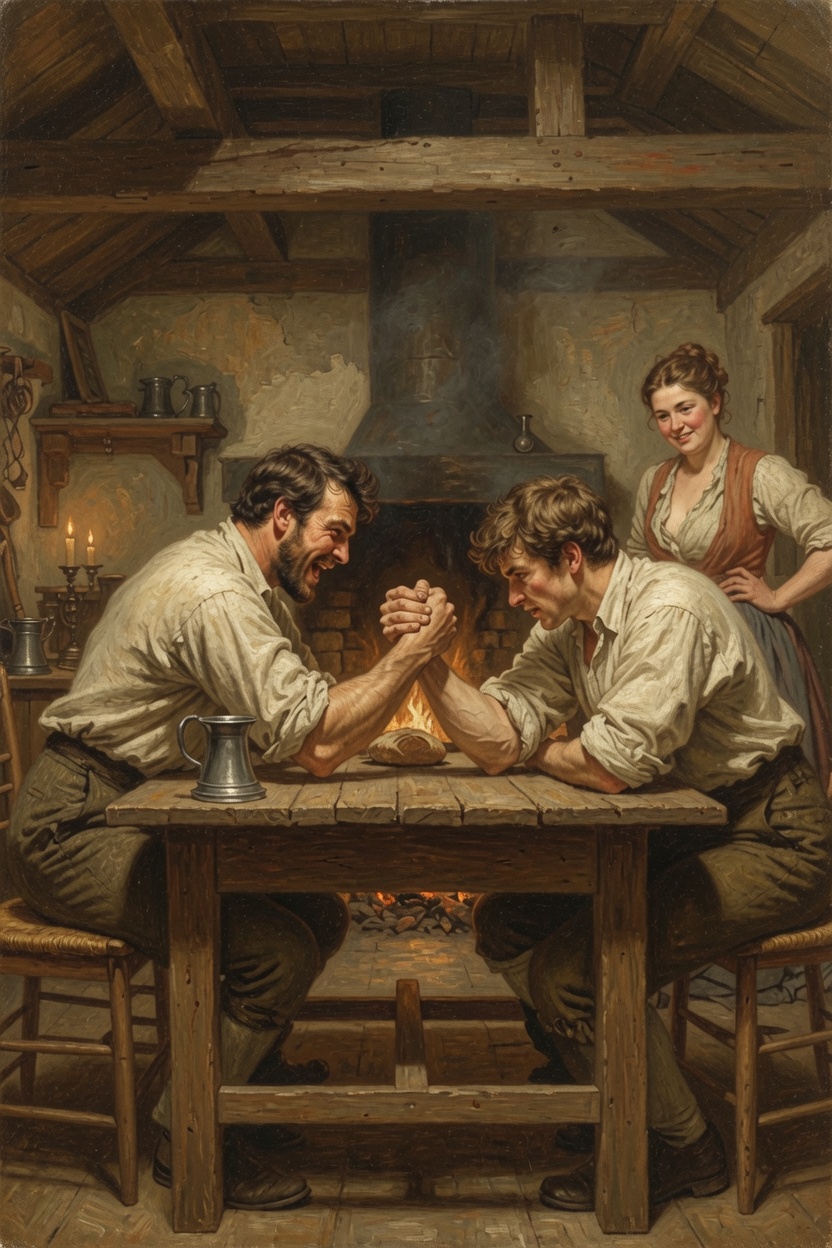
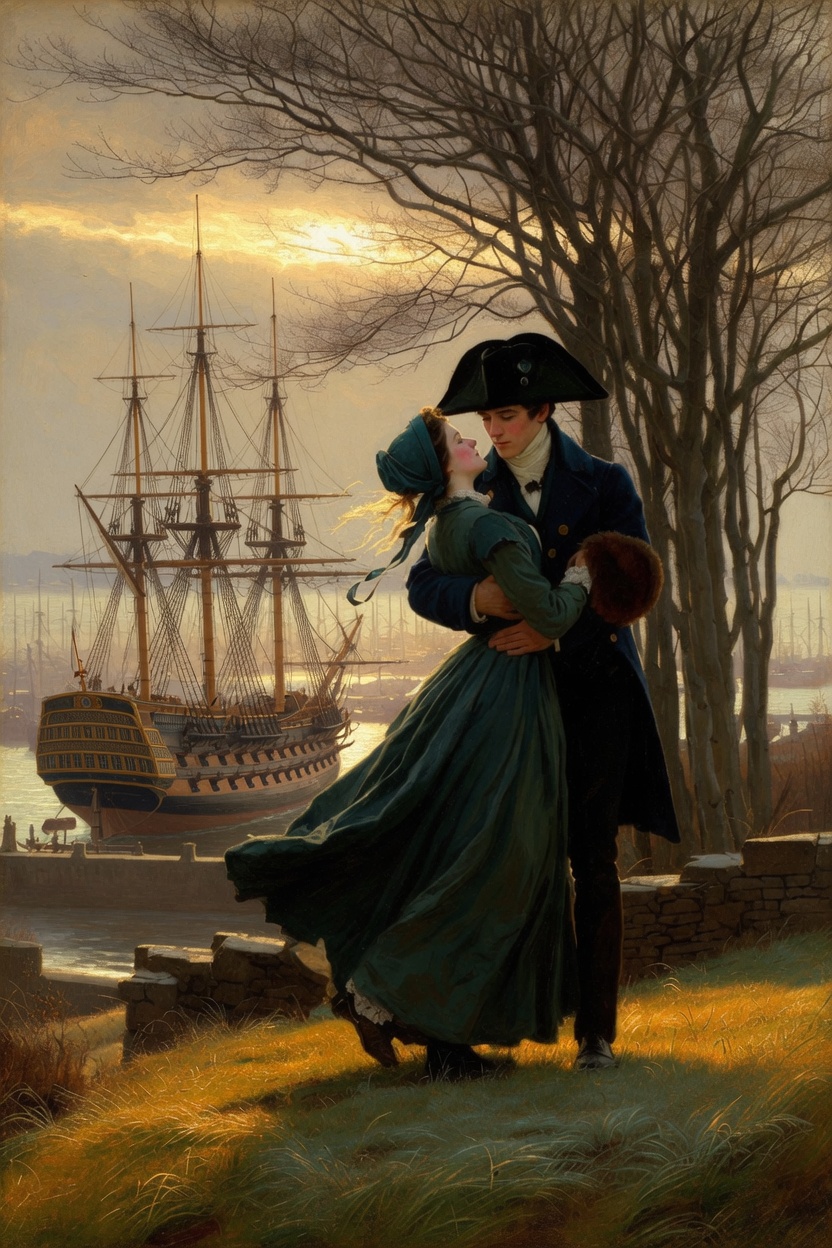
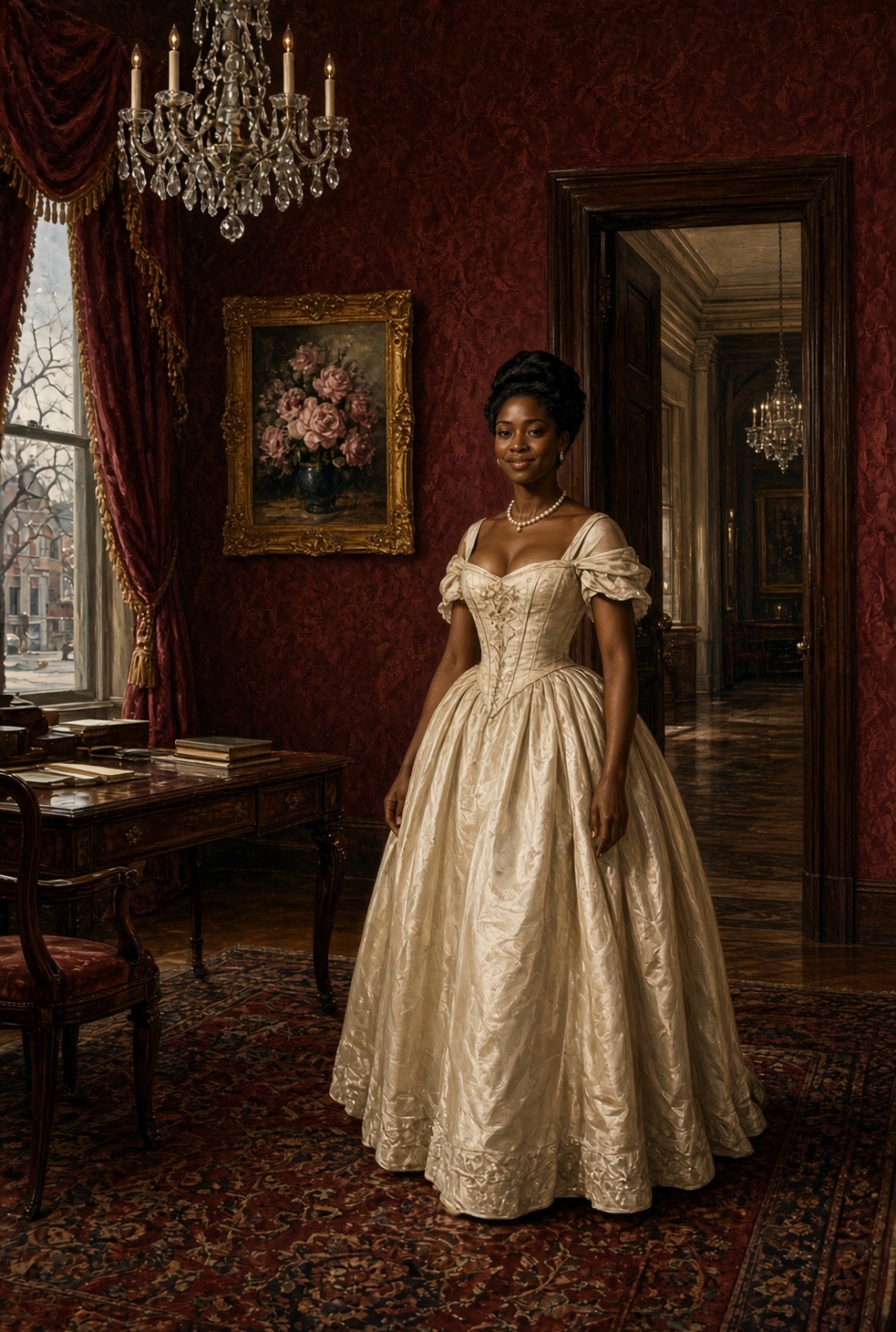
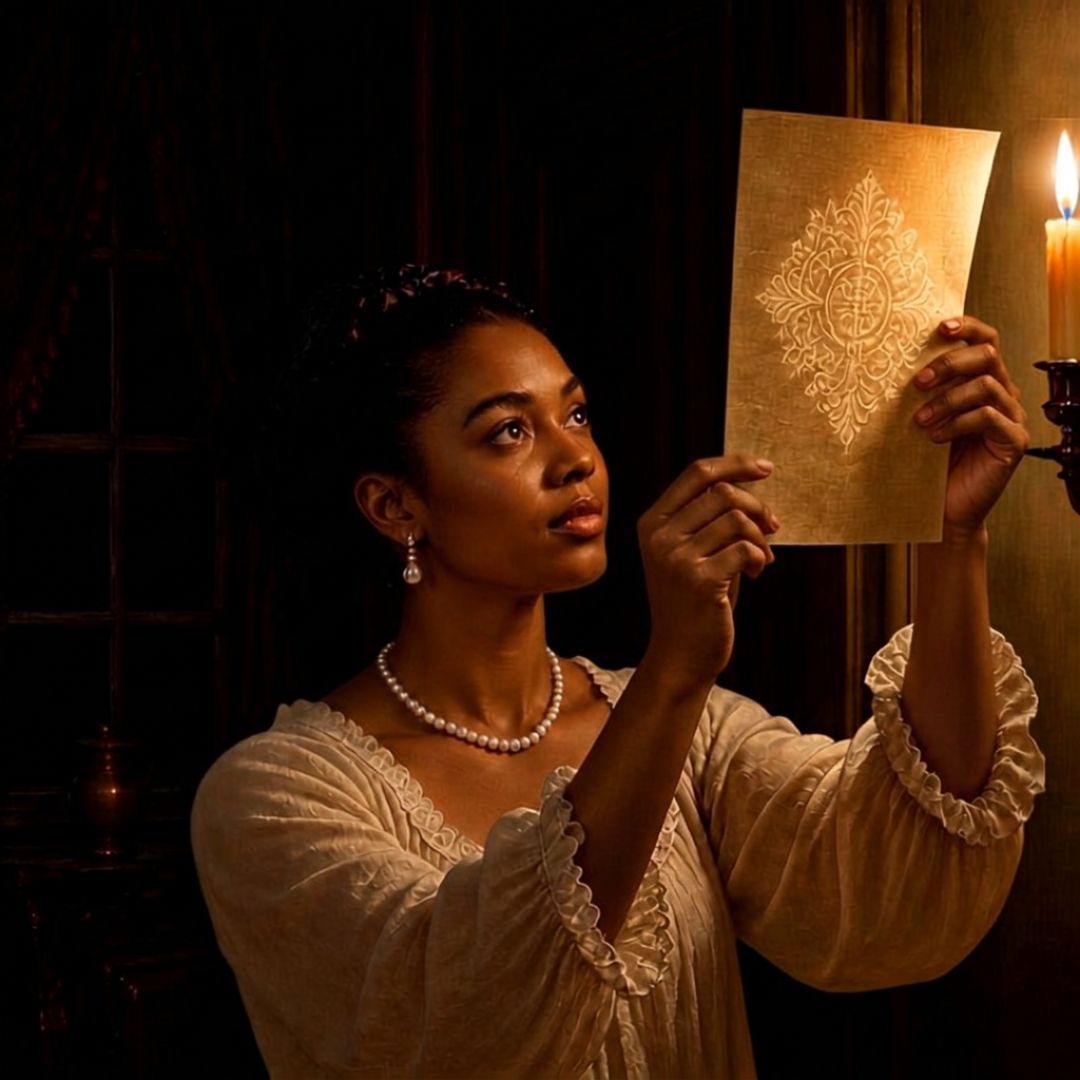
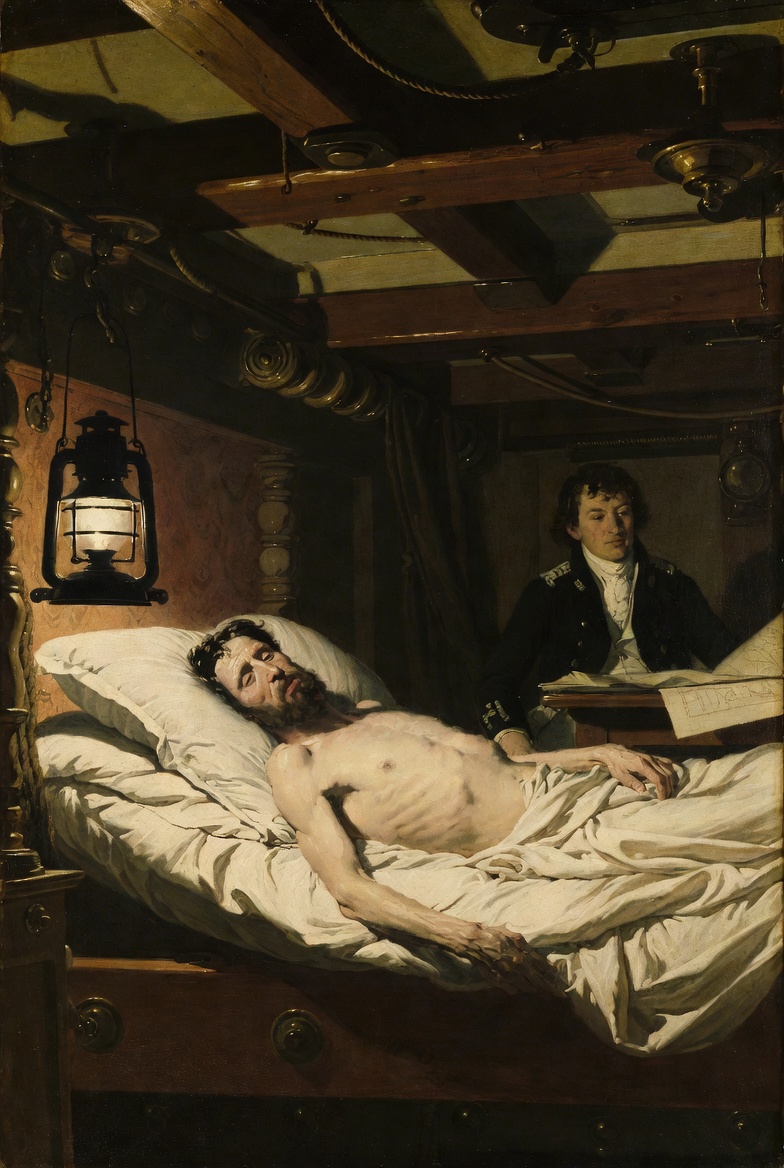
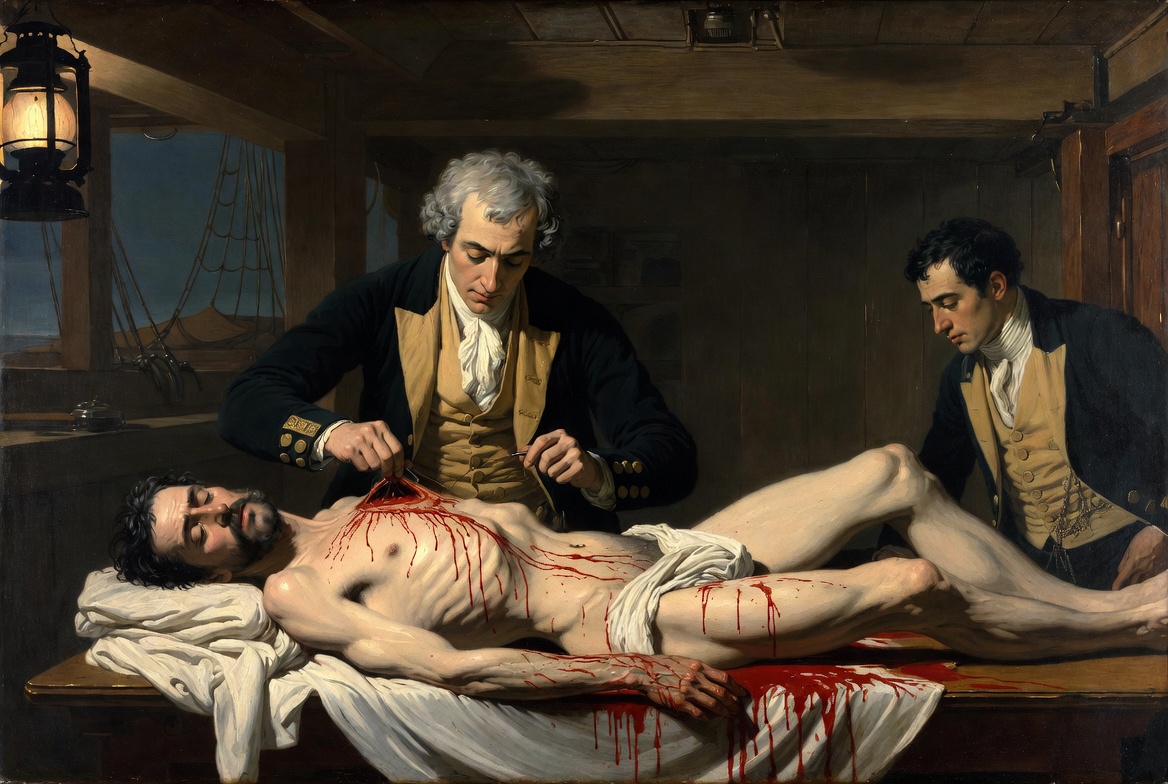
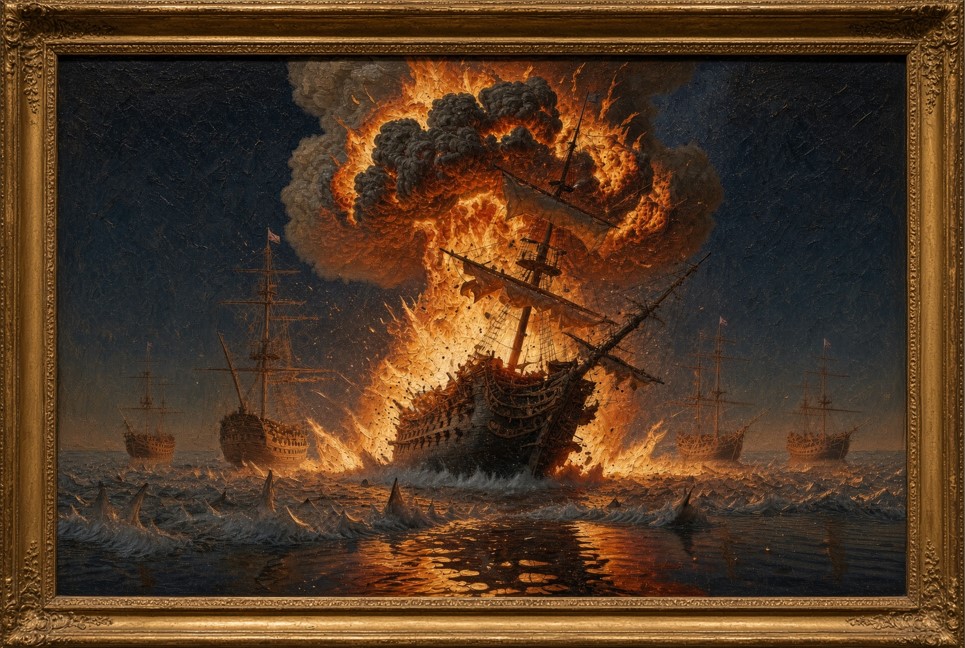
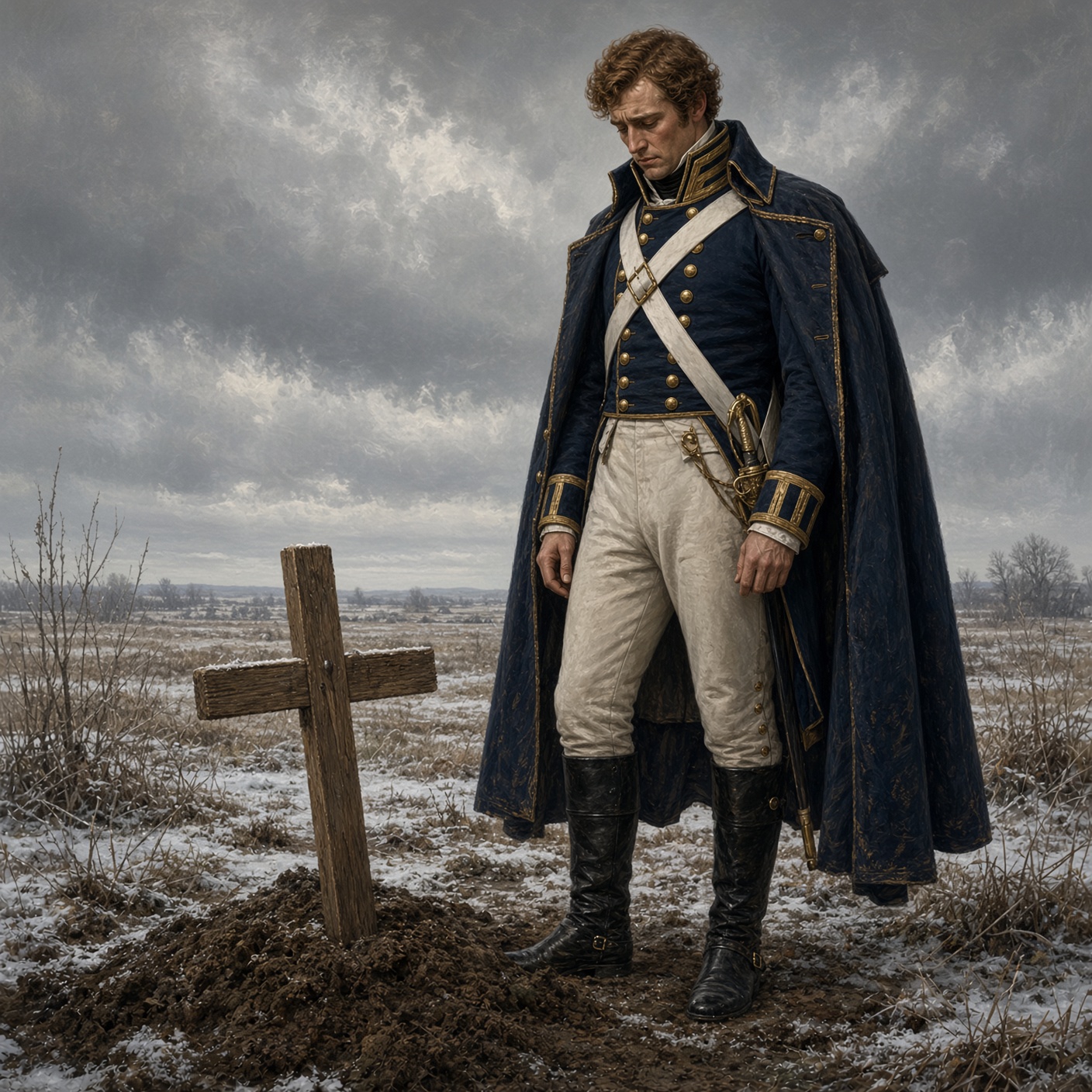
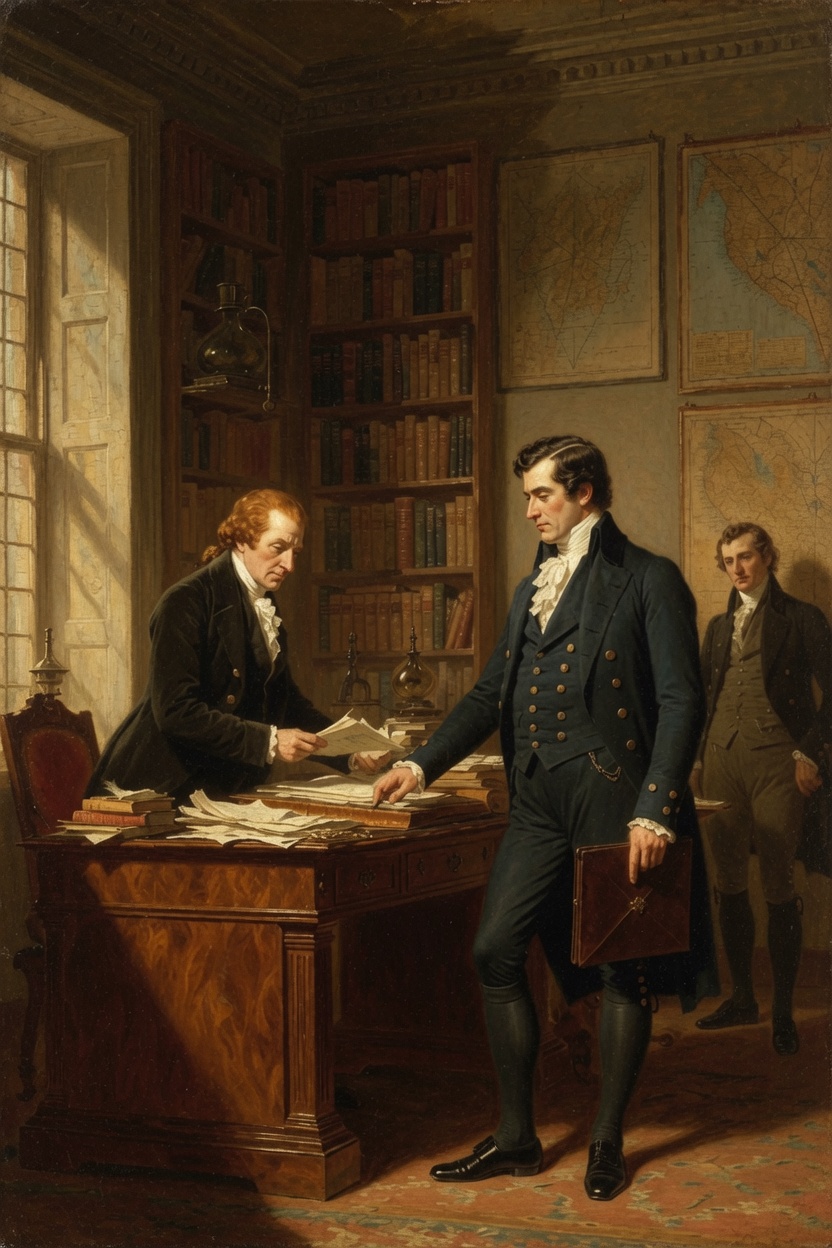
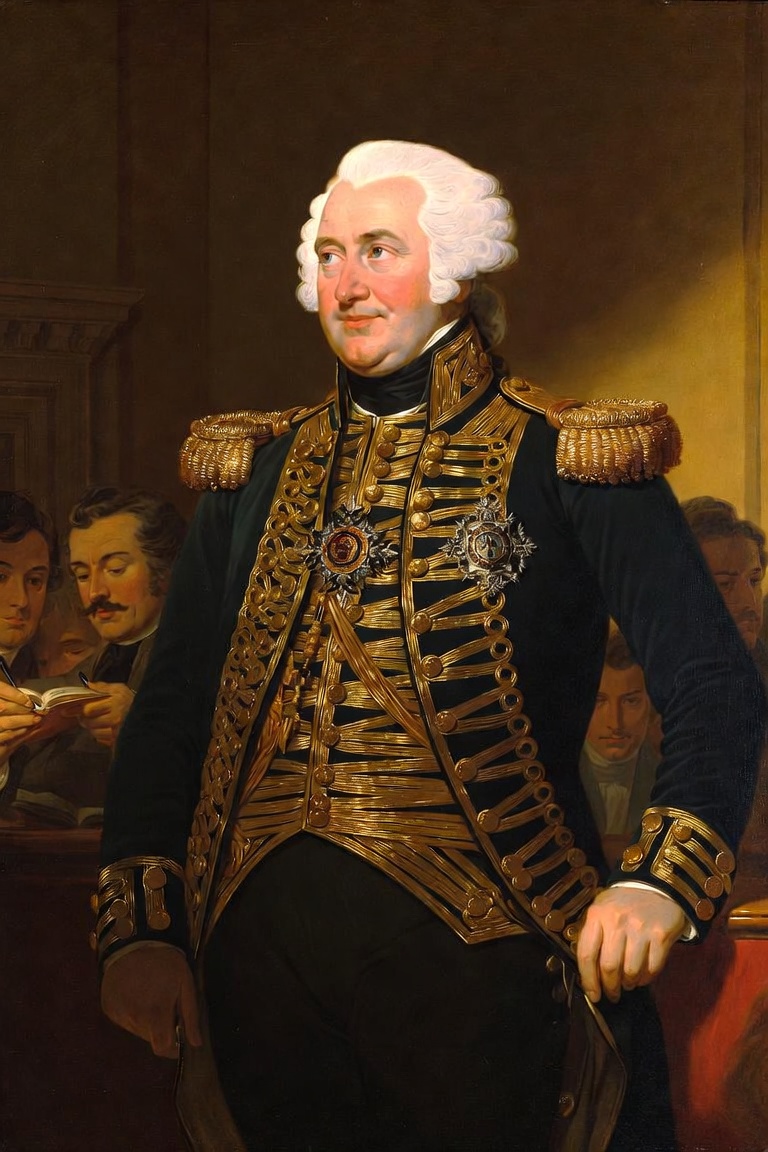
Ox and His FatherDevonshire. Before Ox could join the Royal Navy he had to beat his father, a gunner's mate who had served in the American war. He was nineteen when he did.A FarewellVoss and Eleanor on a windy hillside, with a ship of the line waiting in the harbor behind them.Madame TebieuxÉlise Tebieux in her office.The WatermarkÉlise investigates watermarks by candlelight. Painted by Joseph Wright.Aboard FalconA wounded Frenchman recovers after surgery. Painted by Géricault.SurgeryThe same Frenchman, under the knife. Painted by Géricault, whose realism leaves nothing out.HMS Queen CharlotteA British first rate, lost to fire and powder in 1800. Hung in a gilt frame.
Young Scull
From a boot scraper in Richmond to a young man in Washington who knows what a bank statement is for.
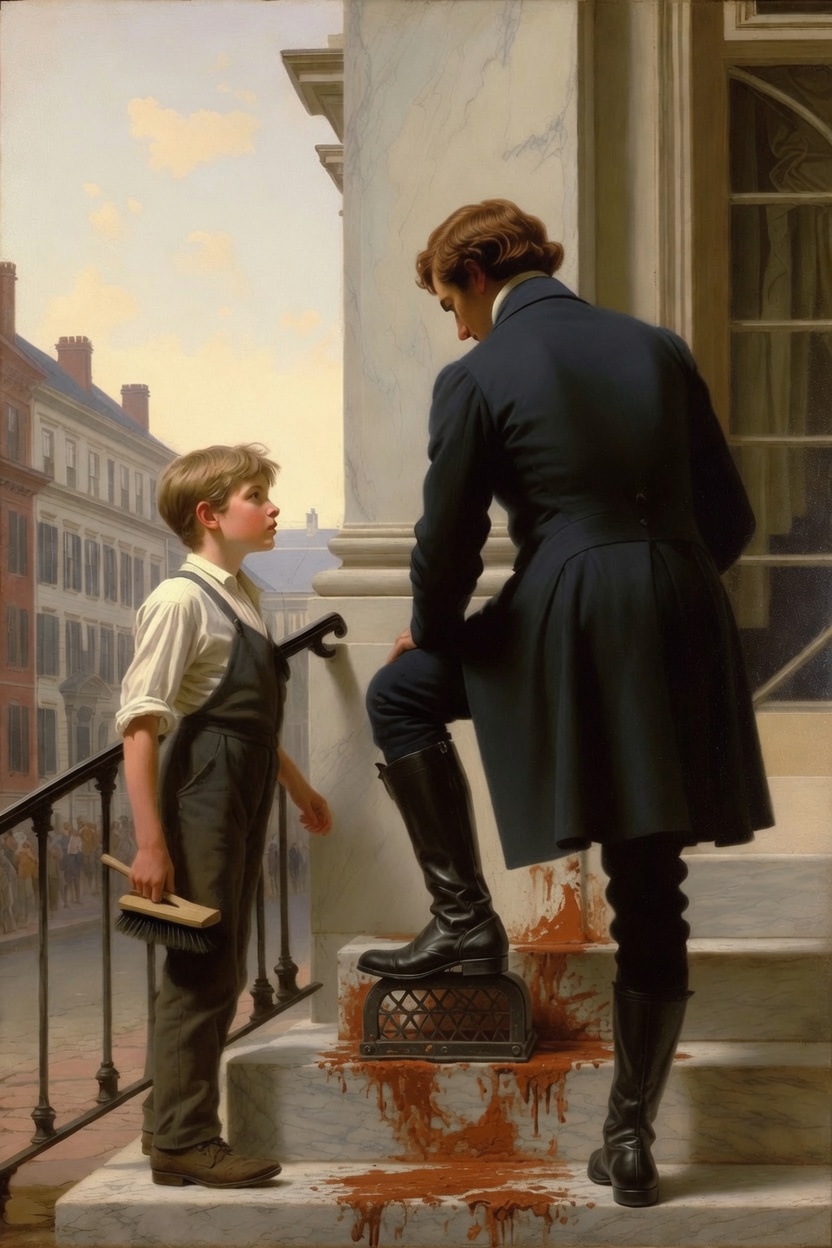
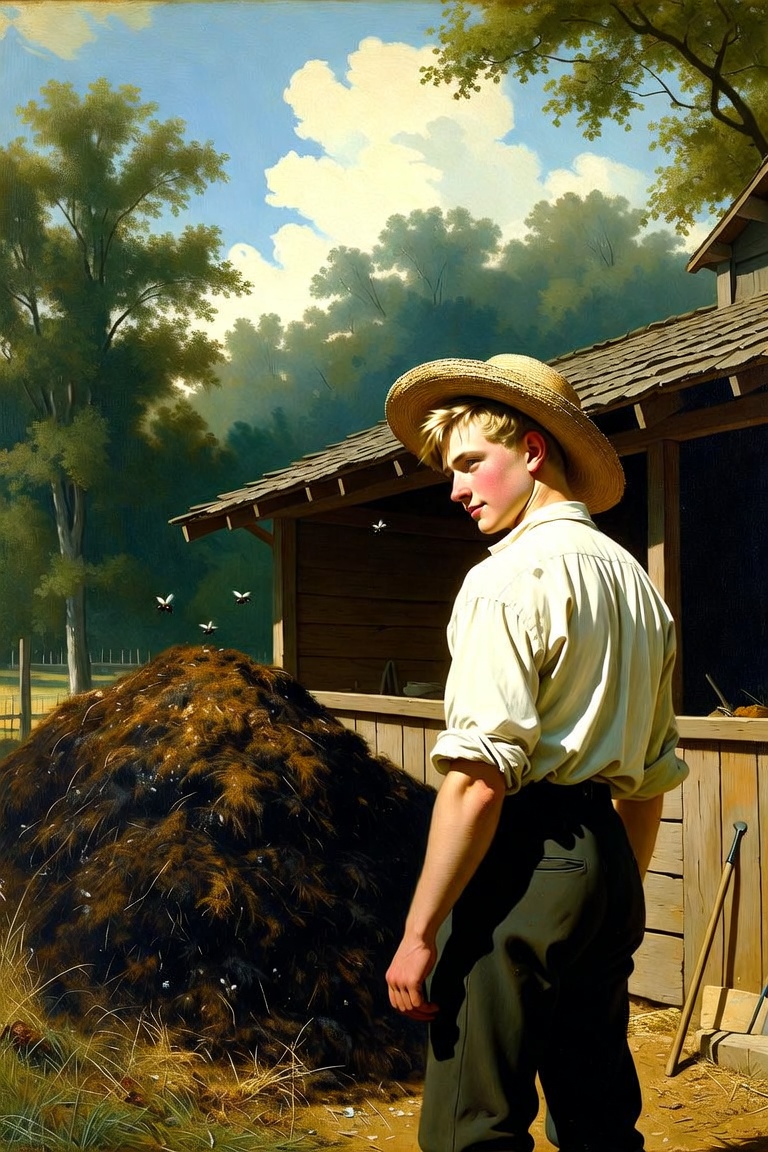
The Boot ScraperRichmond, 1807. Young Scull scrapes the boots of Bradford Bainbridge. Painted by Jarvis, the only artist covering the Burr trial.A Business in ManureScull, a few years older, has found there is money in it.The Bank StatementScull, now seventeen, has moved to Washington. His manure business bank statement is put to good use.
Bainbridge, the Trials and Monticello
A note-taker is present at most of the events that matter.
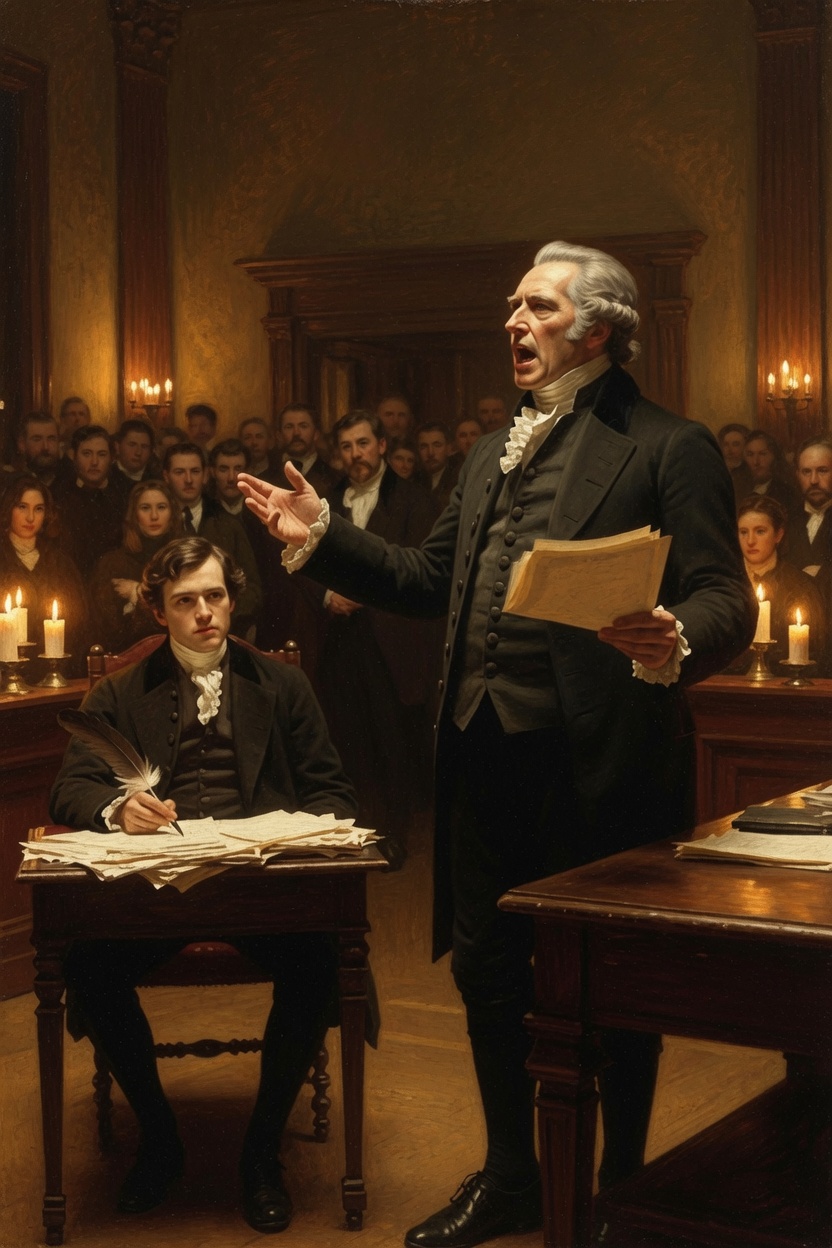
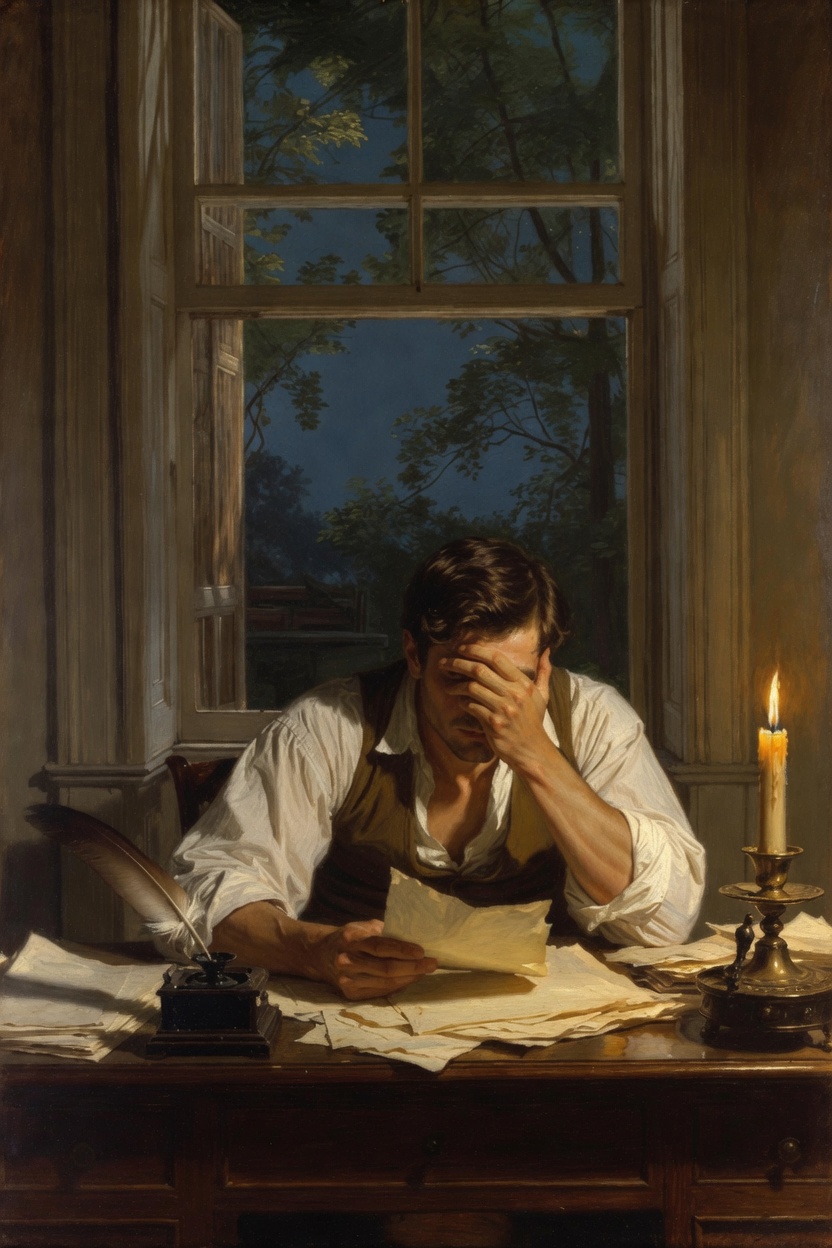
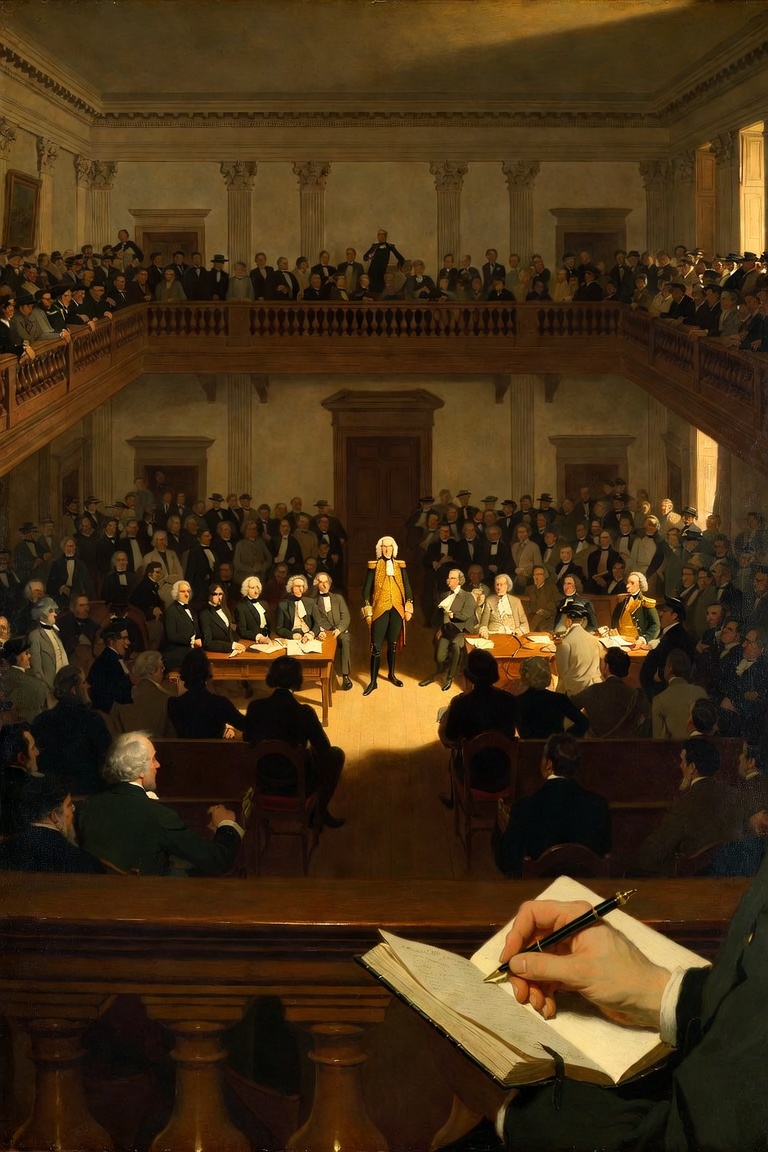
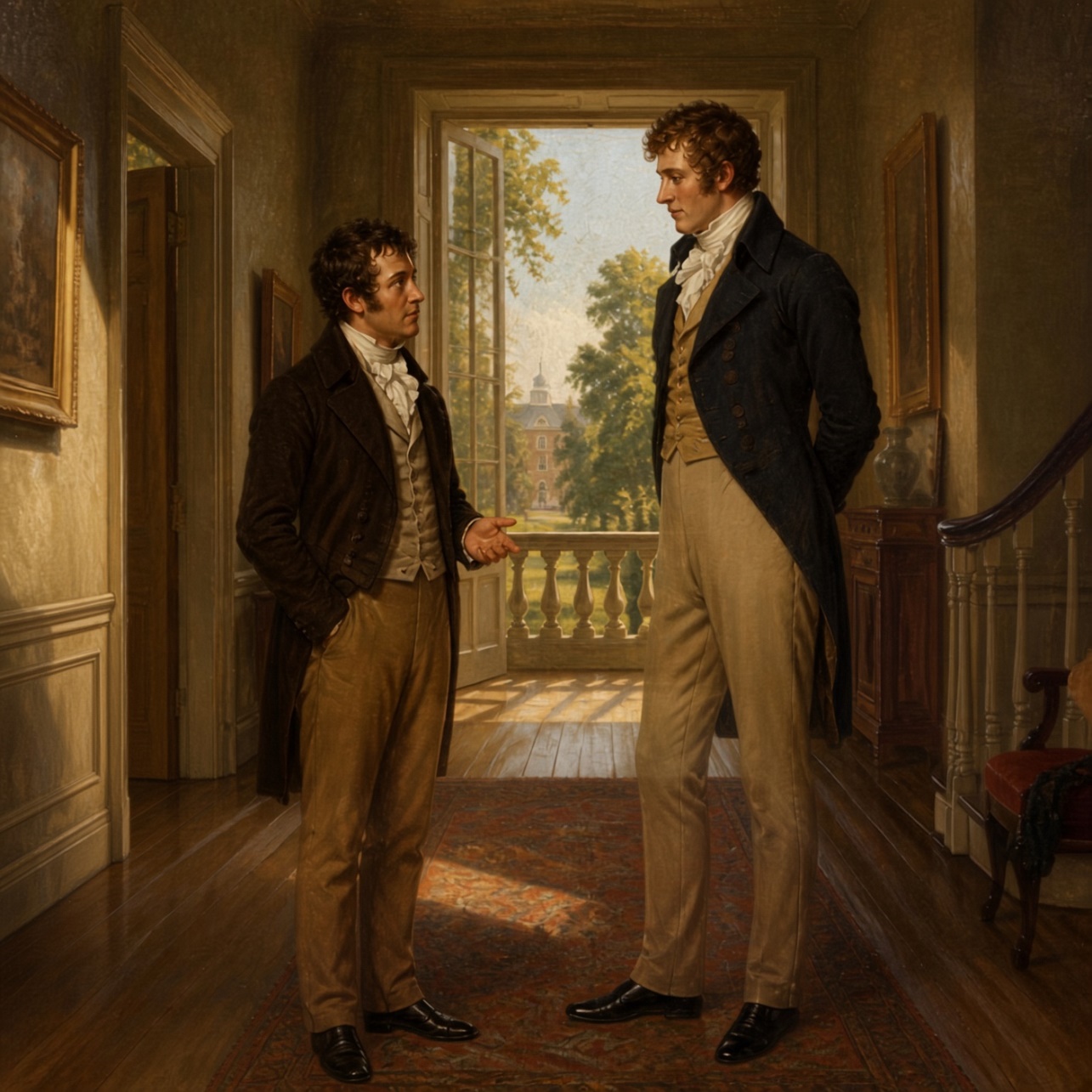
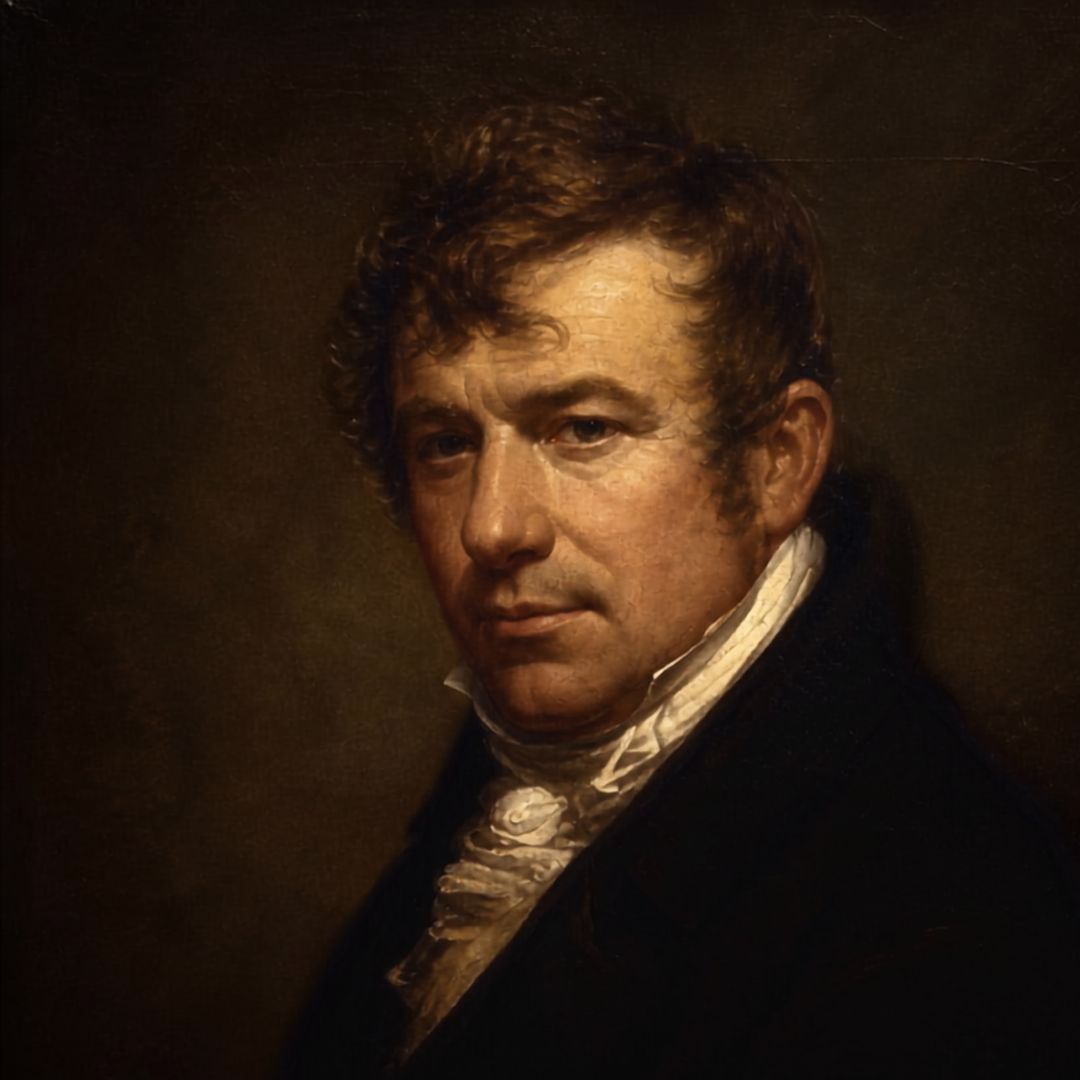
The Weeks TrialNew York, 1800. Alexander Hamilton on his feet, Bainbridge taking notes.Hamilton Is DeadBainbridge learns of Hamilton's death, 1804.The Trial of Aaron BurrRichmond, 1807. The hand taking notes is Washington Irving's, who really did cover the trial. Painted by Jarvis, the only artist there.Bainbridge and Winfield ScottRichmond, 1807. Bainbridge confers with Winfield Scott, a spectator at the Burr trial. Scott stood six feet five and was built to match. He meant to be a lawyer, and the Army was lucky he changed his mind.Captain ScottJust two years after Richmond, Scott is a captain serving under Wilkinson, whose camp at Terre aux Boeufs buried hundreds of its own men. Scott said what he thought of the general, was court-martialed at Washington, Mississippi Territory, in January 1810, and was suspended for a year. He spent it reading everything on military history, strategy and tactics that he could lay his hands on, and the year served the United States well. His great height, imposing figure and perfect uniform led Lady Butler to paint him as a god of war.MonticelloVoss briefs Thomas Jefferson on an important matter. Bainbridge stands in the background.Bainbridge at FiftyBradford Bainbridge, half a lifetime of note-taking later.
Wilkinson and the Frontier
A general with an eye for his own advancement, and the war that made him senior.
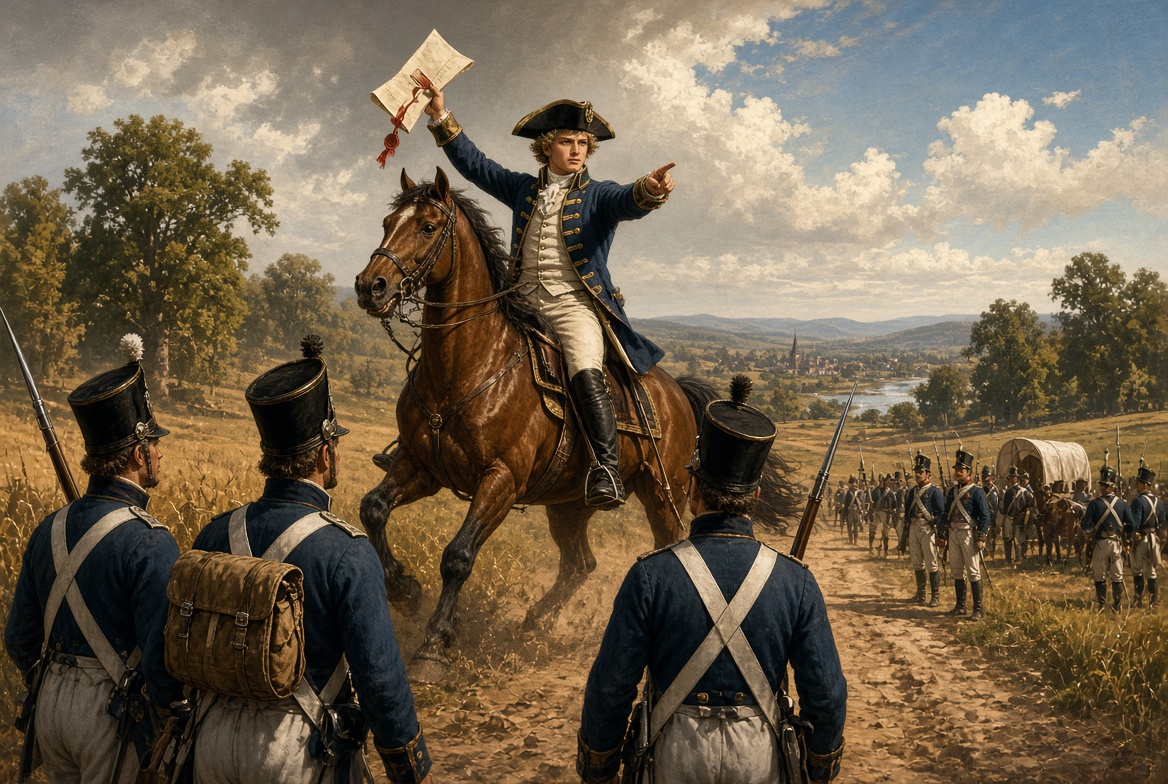
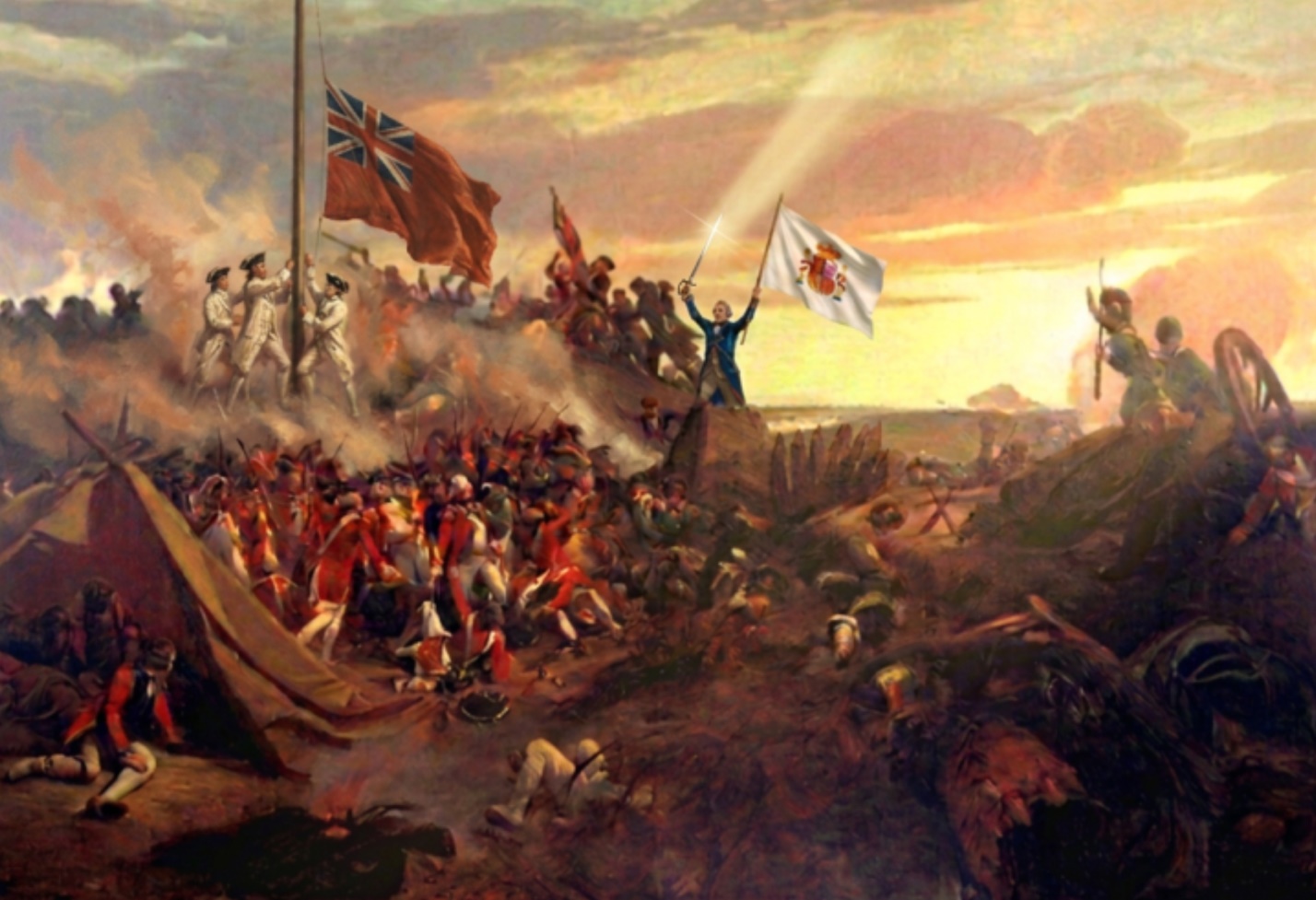
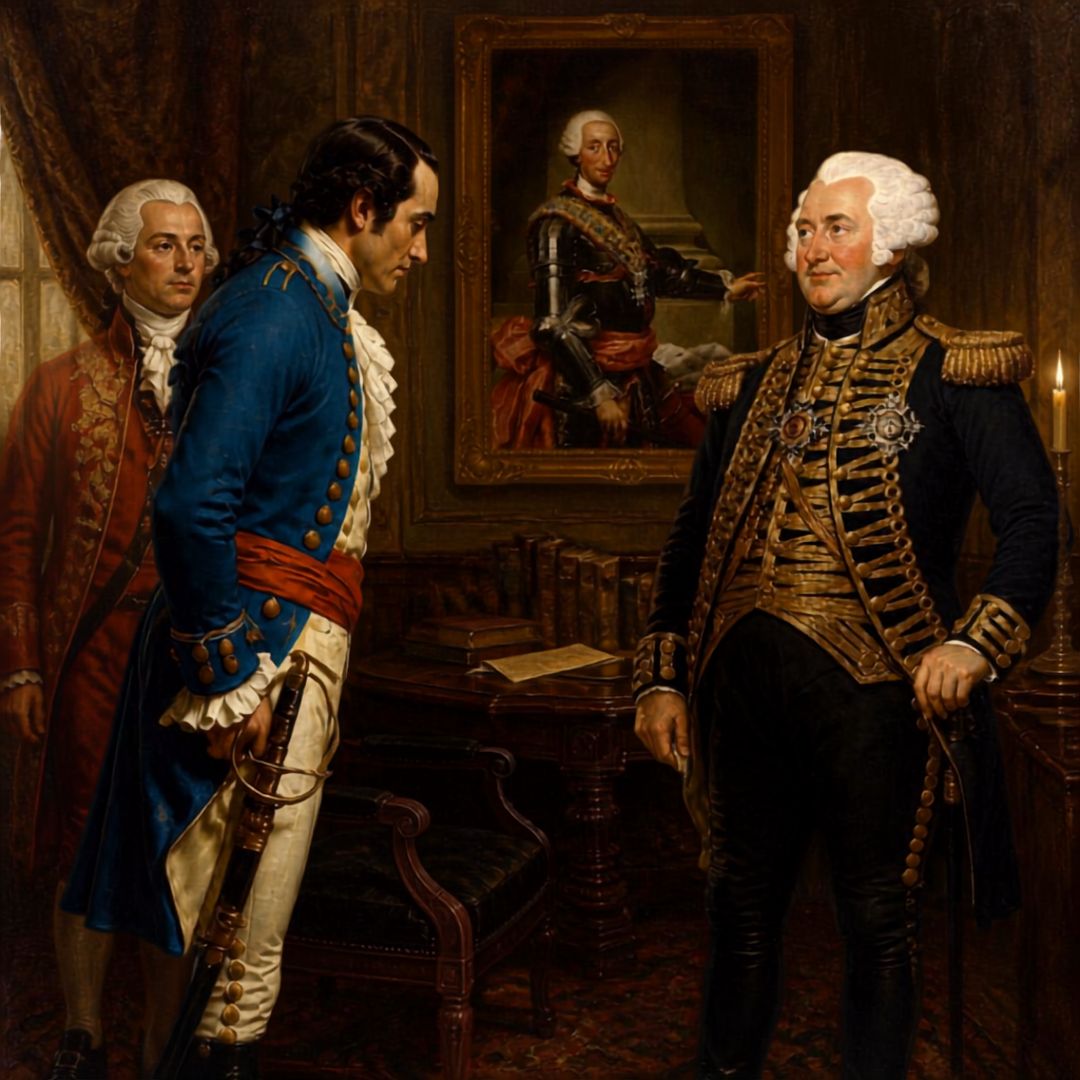
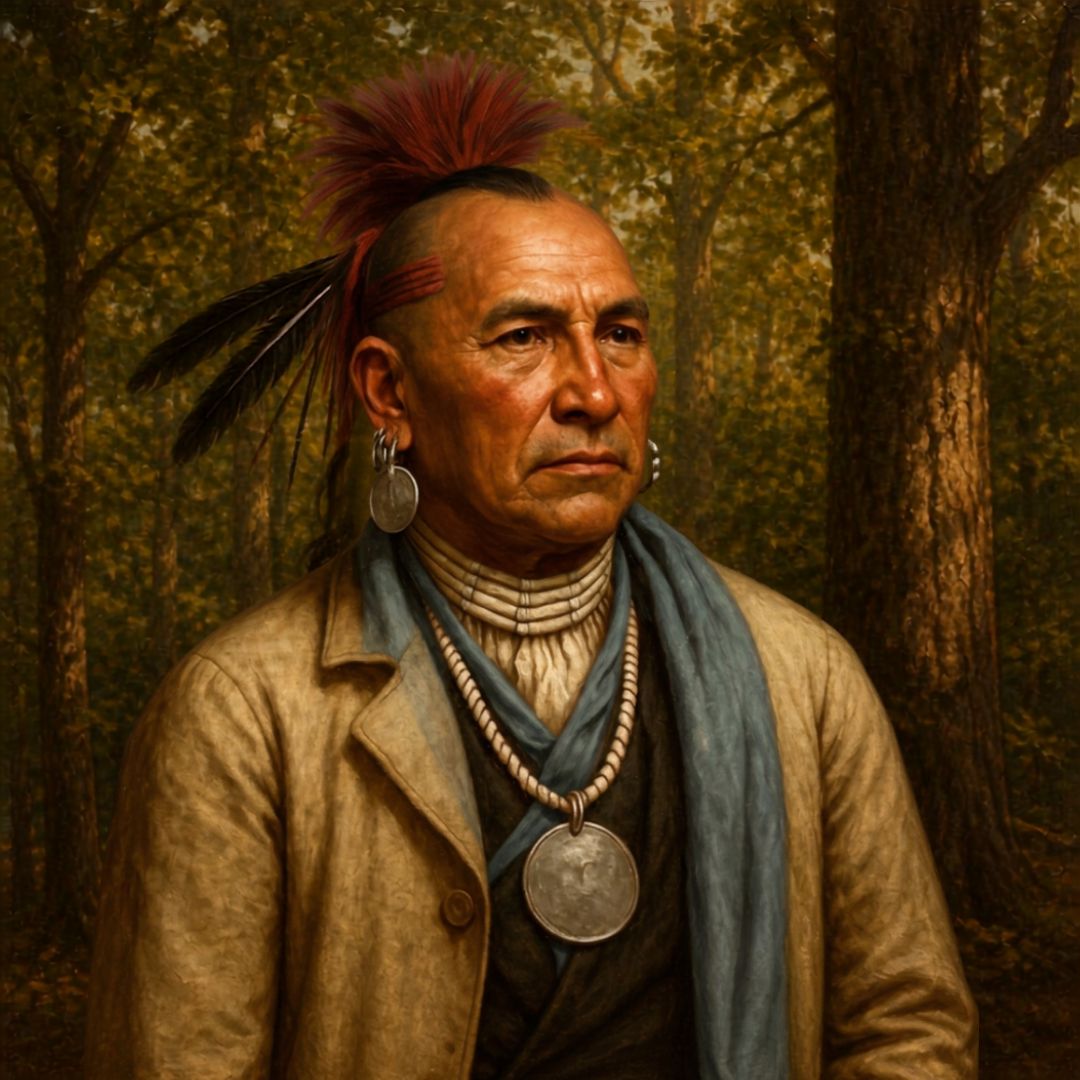
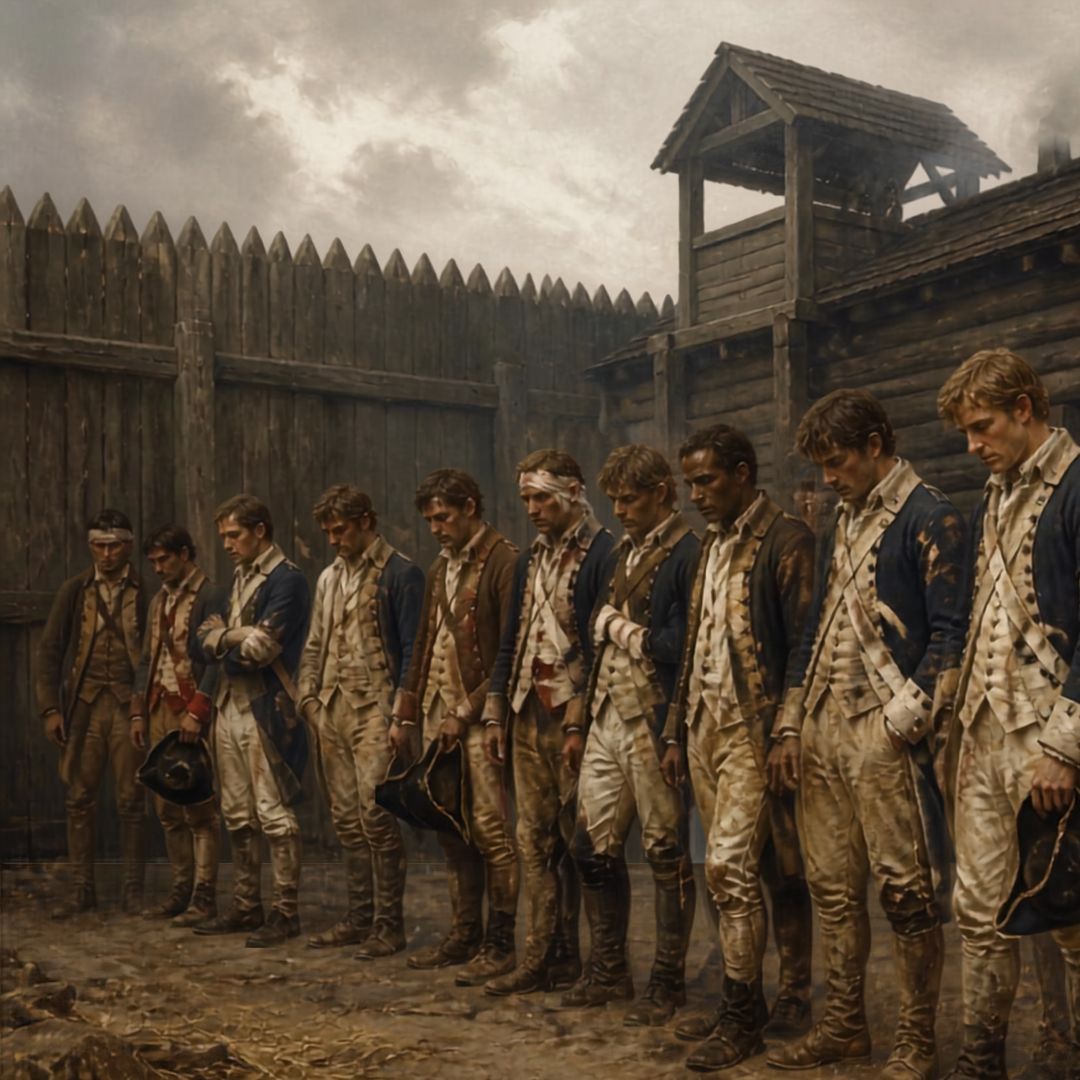
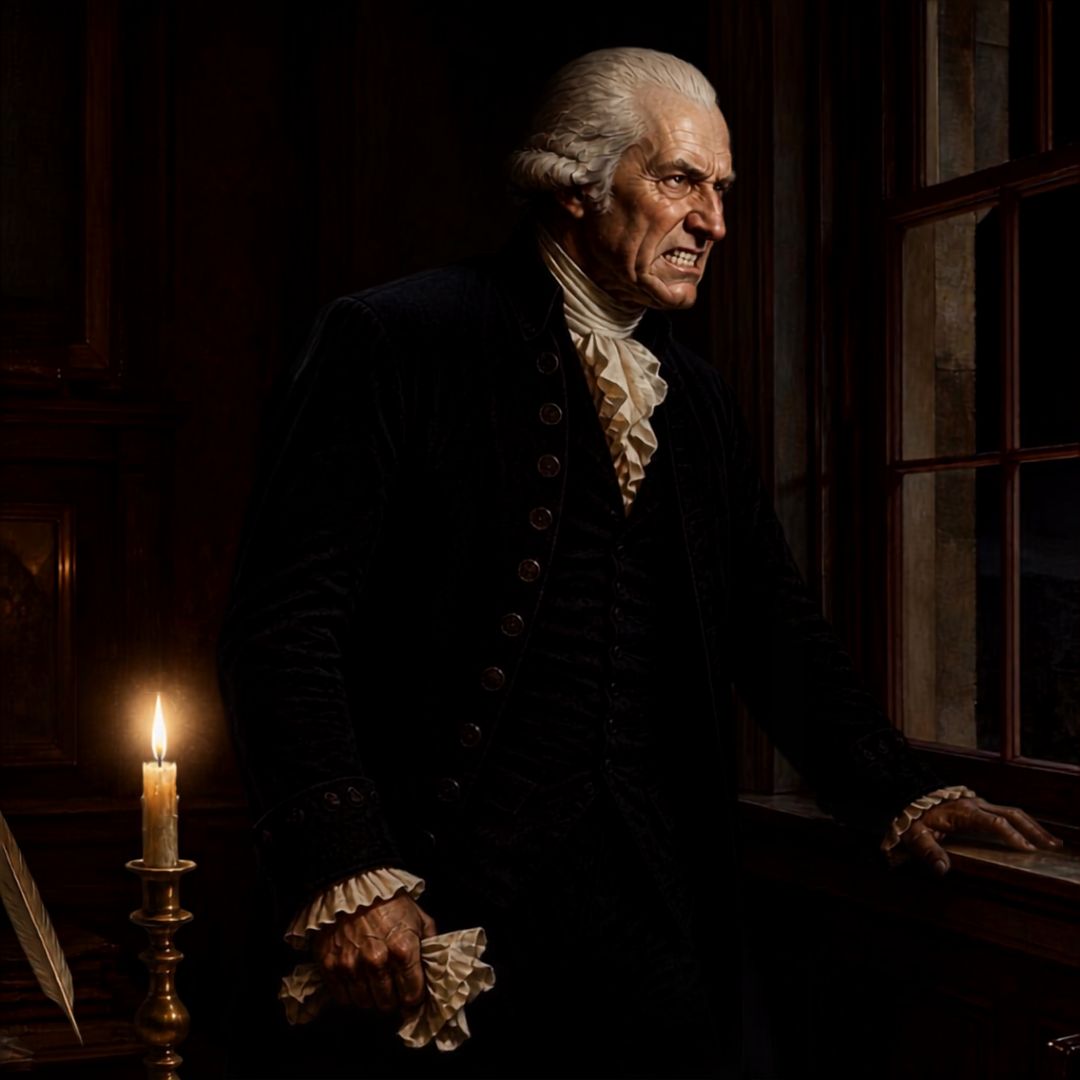
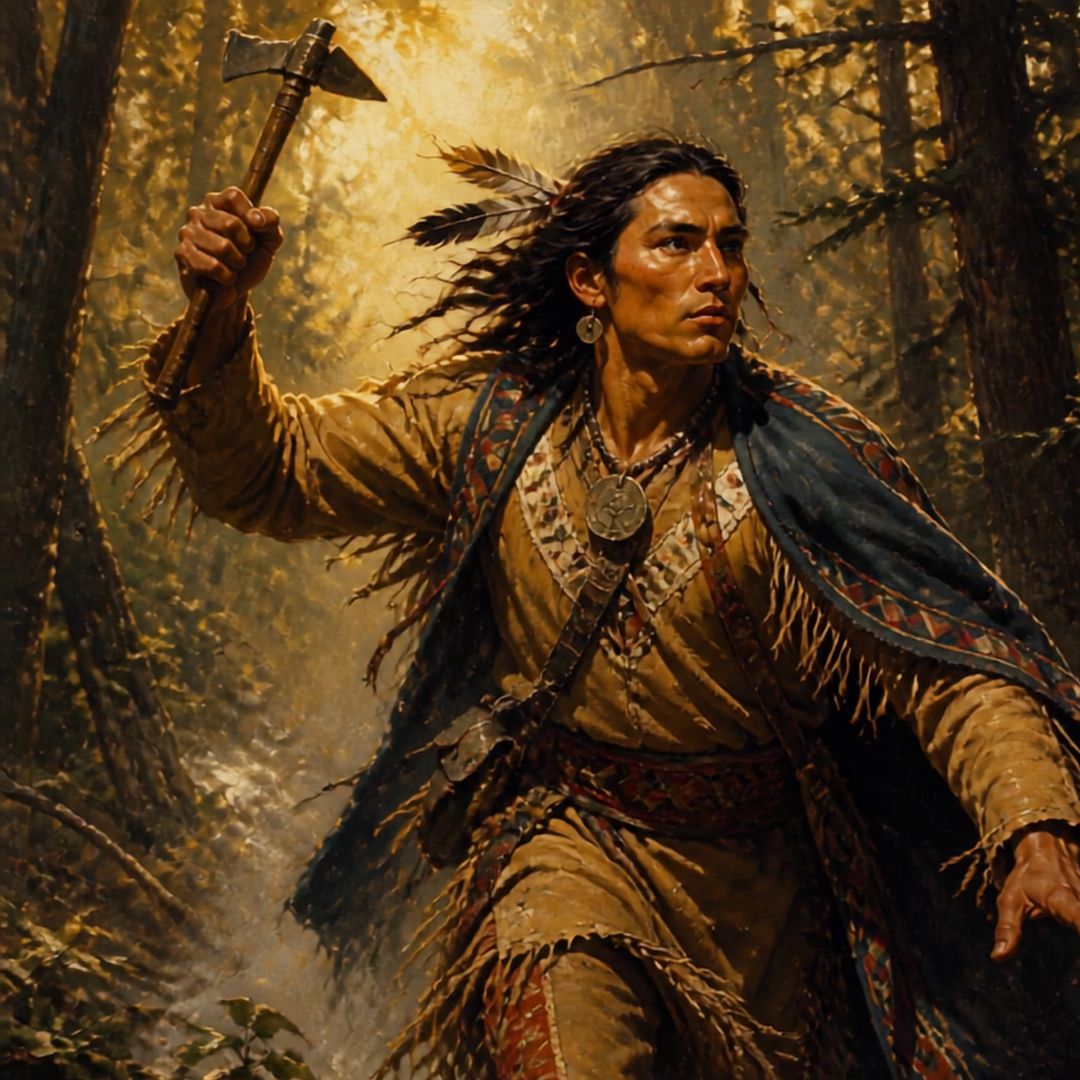
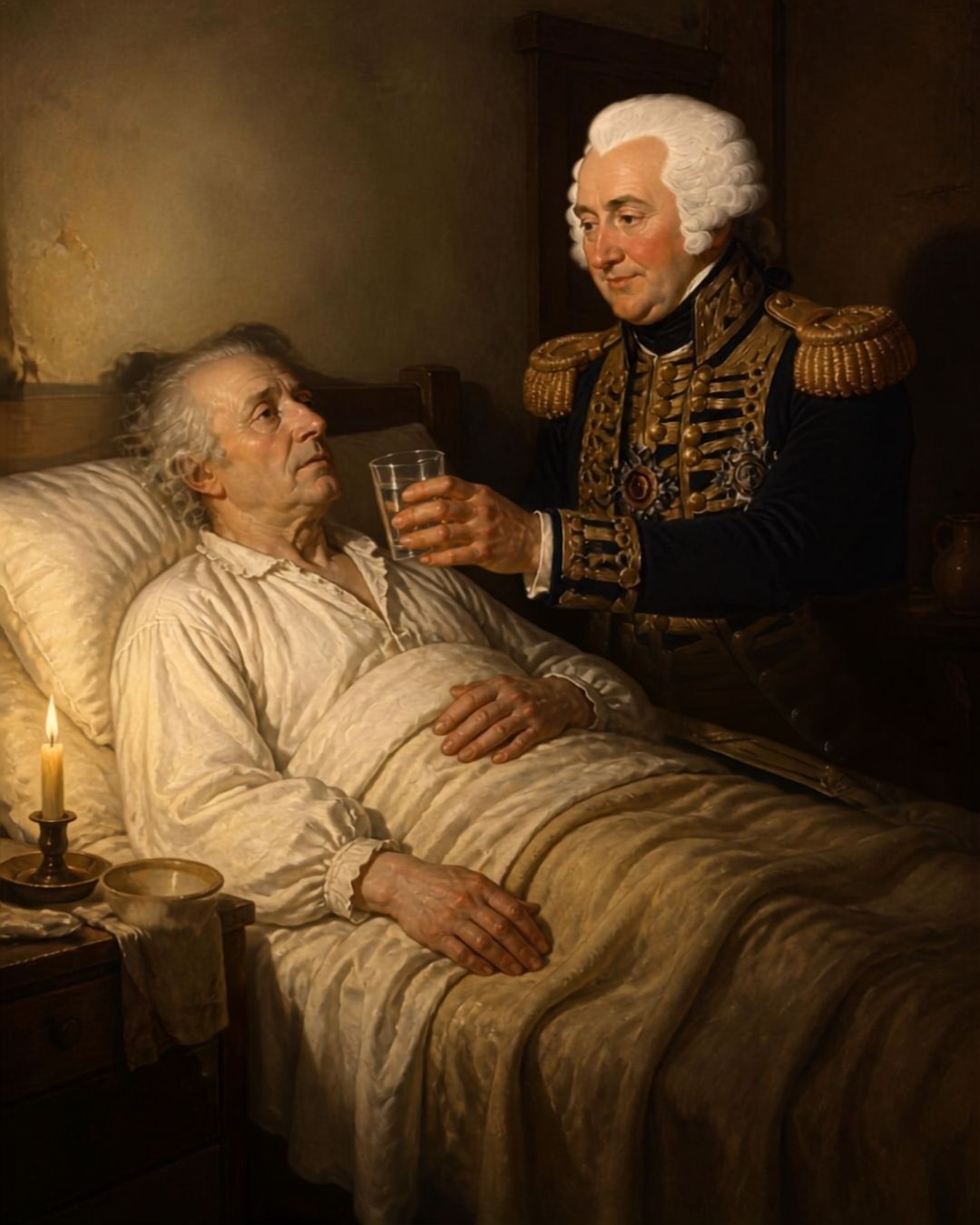
Supervía at the BreachSupervía carries the Spanish flag in the assault on the British fort at Pensacola, 1781, while the English flag comes down. Painted by Eugène Lami, 1880.The Oath to SpainJames Wilkinson swears allegiance to Spain at Governor Miró’s house, 1787. Painted by Ilya Repin, 1883.Little TurtleLate summer, 1791. The Miami war chief learns that Wilkinson's raid has taken his daughter. A few months later he helps lead the confederacy at the Wabash.After the WabashSurvivors straggle in after the Wabash, November 1791. Painted by Lady Butler.News from the WabashPresident Washington is irate after receiving the news.TecumsehWar leader of the Shawnee, of the generation of warriors who destroyed a United States army of about a thousand men at the Wabash in 1791, a defeat worse than the one at the Little Bighorn that Americans remember better. The painting tells a second story: Remington, like Tissot, could make fabric move, and like Géricault he understood muscle and sinew. Tecumseh bursts from the forest mid stride, every tassel in flight. What Remington was not good at was the eastern deciduous forest. He is famous for desert cowboys.A Glass of WaterGeneral Wilkinson gives a glass of water to General “Mad Anthony” Wayne. This is artistic license: no record shows Wilkinson tending Wayne. But when Wayne died in 1796, Wilkinson became the highest ranking officer in the United States Army.General WilkinsonJames Wilkinson in his usual peacocking mode.
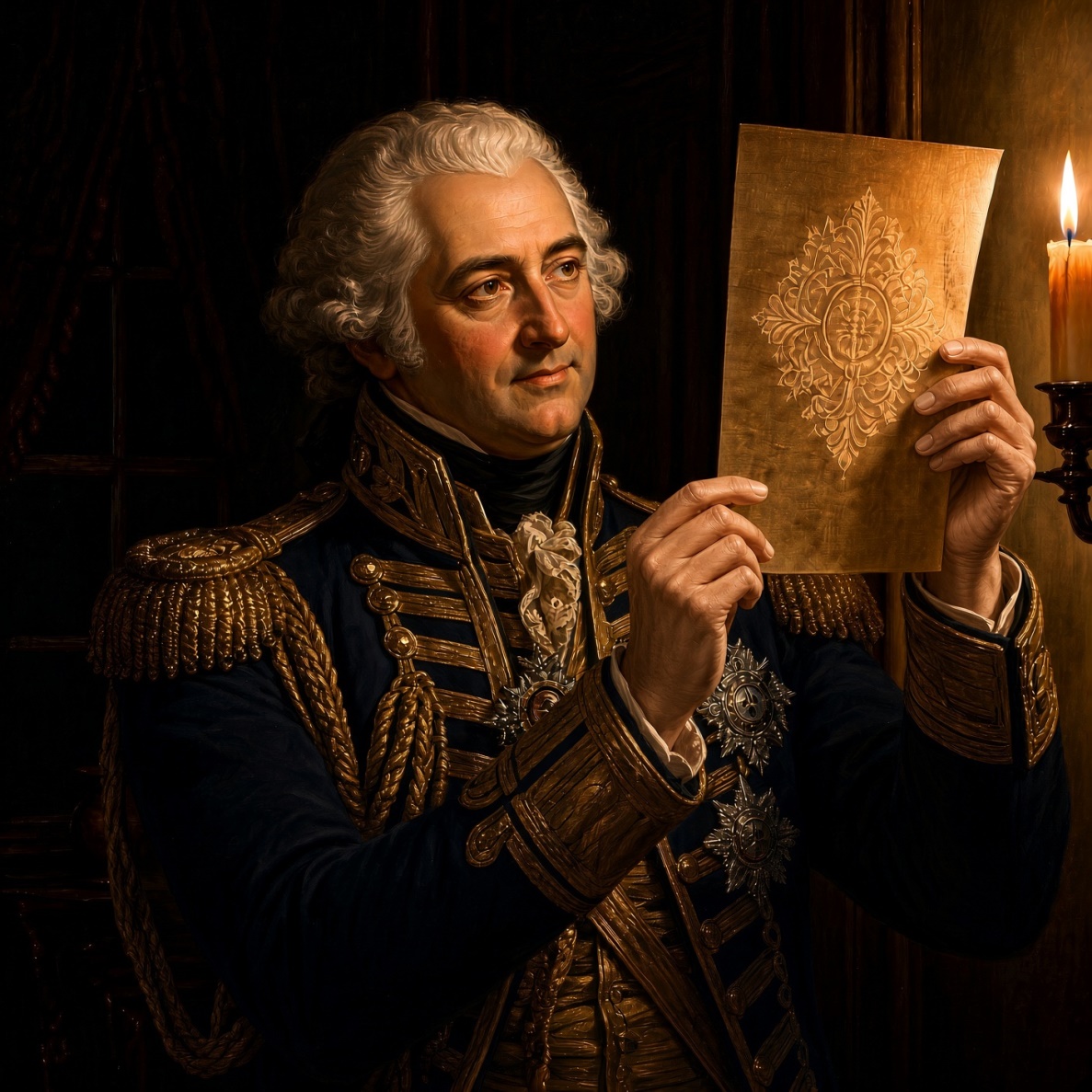
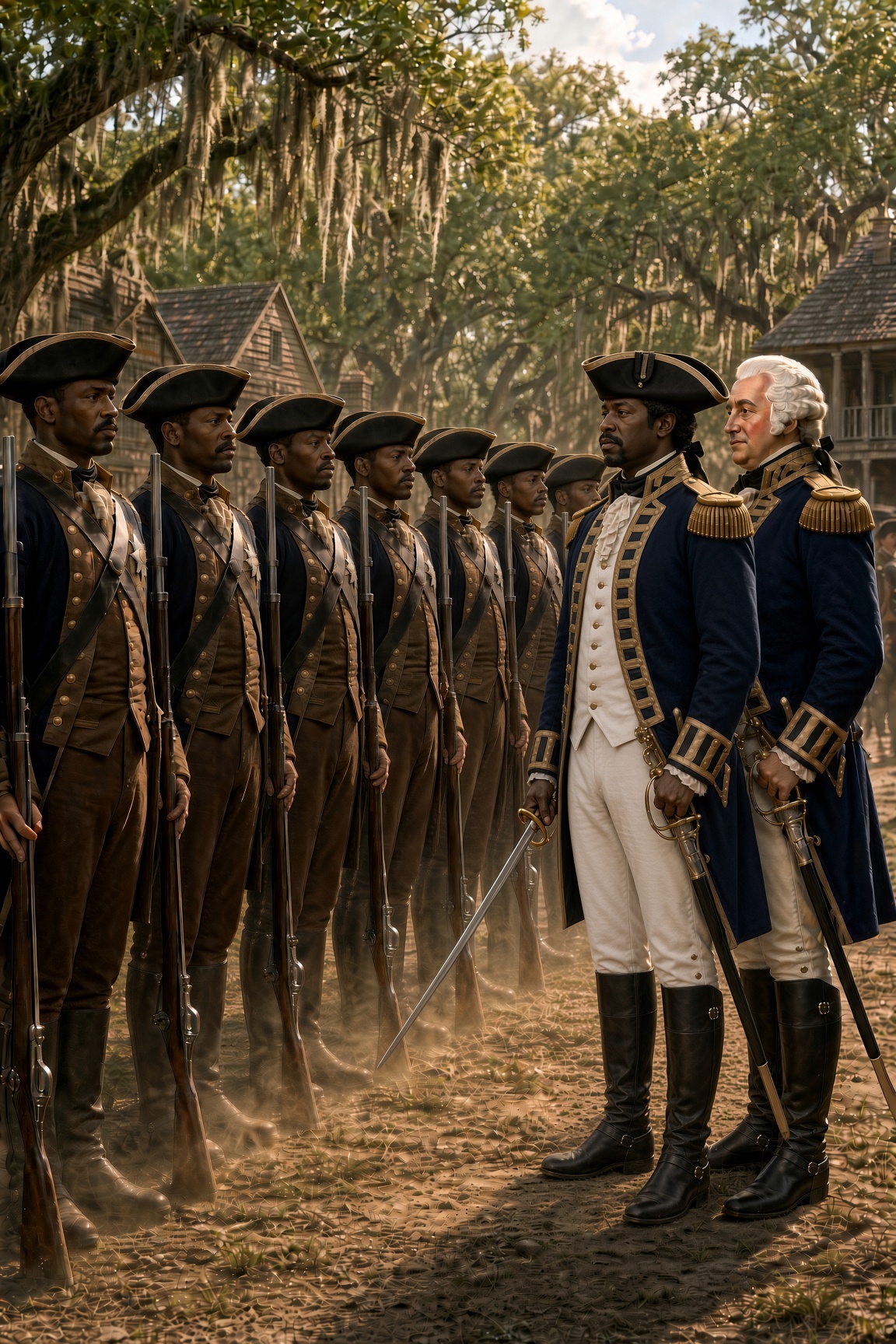
“In all our history, there is no more despicable character.” Theodore Roosevelt, The Winning of the WestSee moreIt is the habit of this archive to let its subjects speak for themselves, and General Wilkinson has spoken for himself at such length, in so many hands, to so many masters, that little remains but to arrange the testimony.For years, including the years he was the senior officer of the United States Army, he drew a Spanish pension under the cipher “Agent 13”. He swore allegiance to Spain at Governor Miró’s house in 1787. He was cleared by every inquiry held in his lifetime, by courts that had no access to the Spanish archives. The ground at Terre aux Boeufs, where six hundred and eighty-six of his own men died, was chosen at a rent this archive believes he shared in.Theodore Roosevelt, who spent years on the history of the frontier and had no sentimentality about it, closed his account of the man in a sentence this archive has not been able to improve on: “In all our history, there is no more despicable character.”The Right WatermarkWilkinson holds a sheet to the candle. It had to carry the correct watermark.Captain Leger's CompanyAt Mobile, West Florida, General Wilkinson inspects Captain Leger’s grenadier platoon after the company reconnoitered the Spanish fort. The men were selected for their uniform height and appearance, and Wilkinson was impressed. Captain Leger is highly competent and believes in well turned out soldiers. Like all of his men, he is one of the gens de couleur libres, Louisiana’s free people of color, who served in the colonial militia as a matter of course.
Washington, 1812 to 1814
The President fretting over a war, and the city that paid for it.
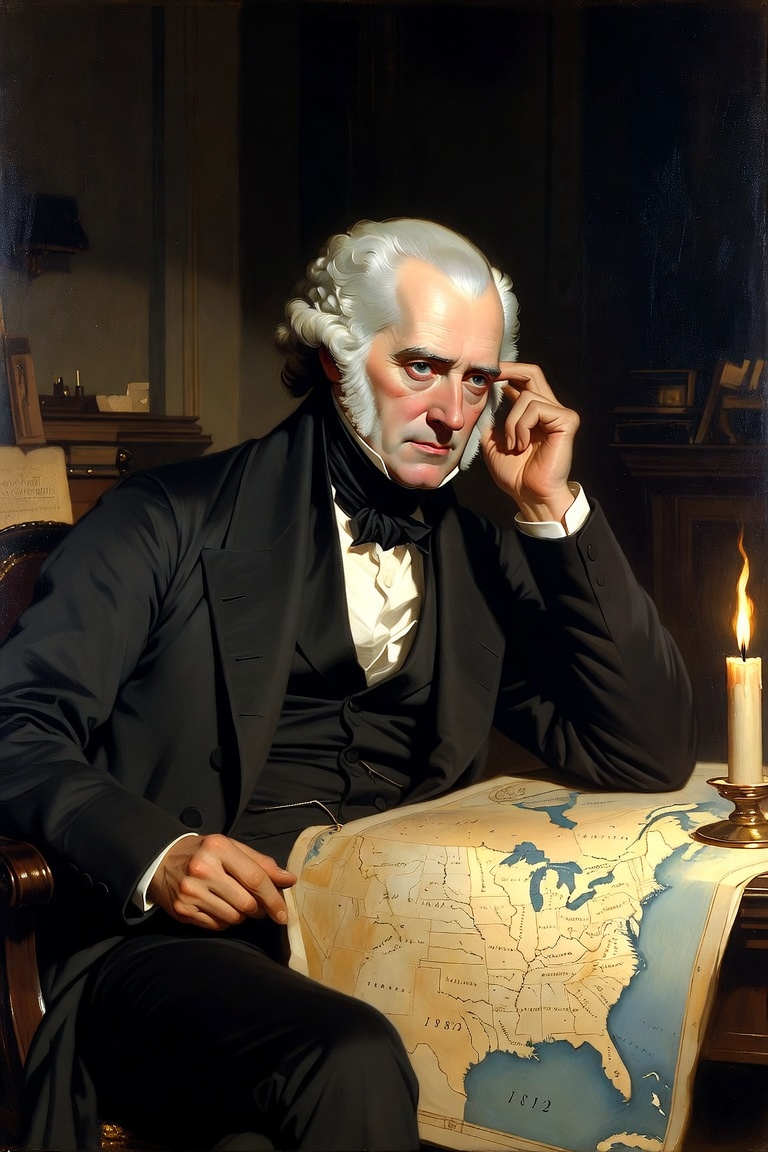
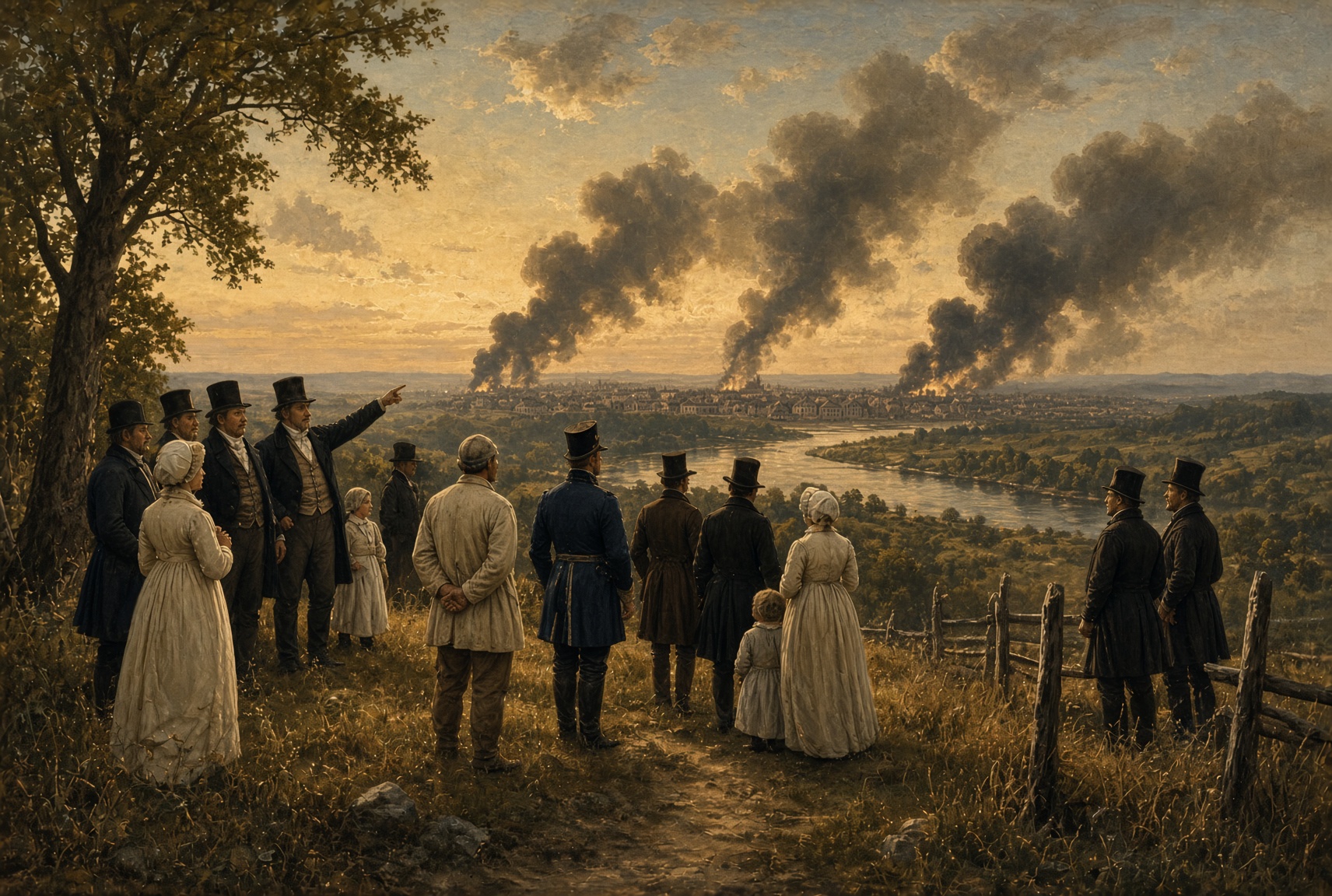
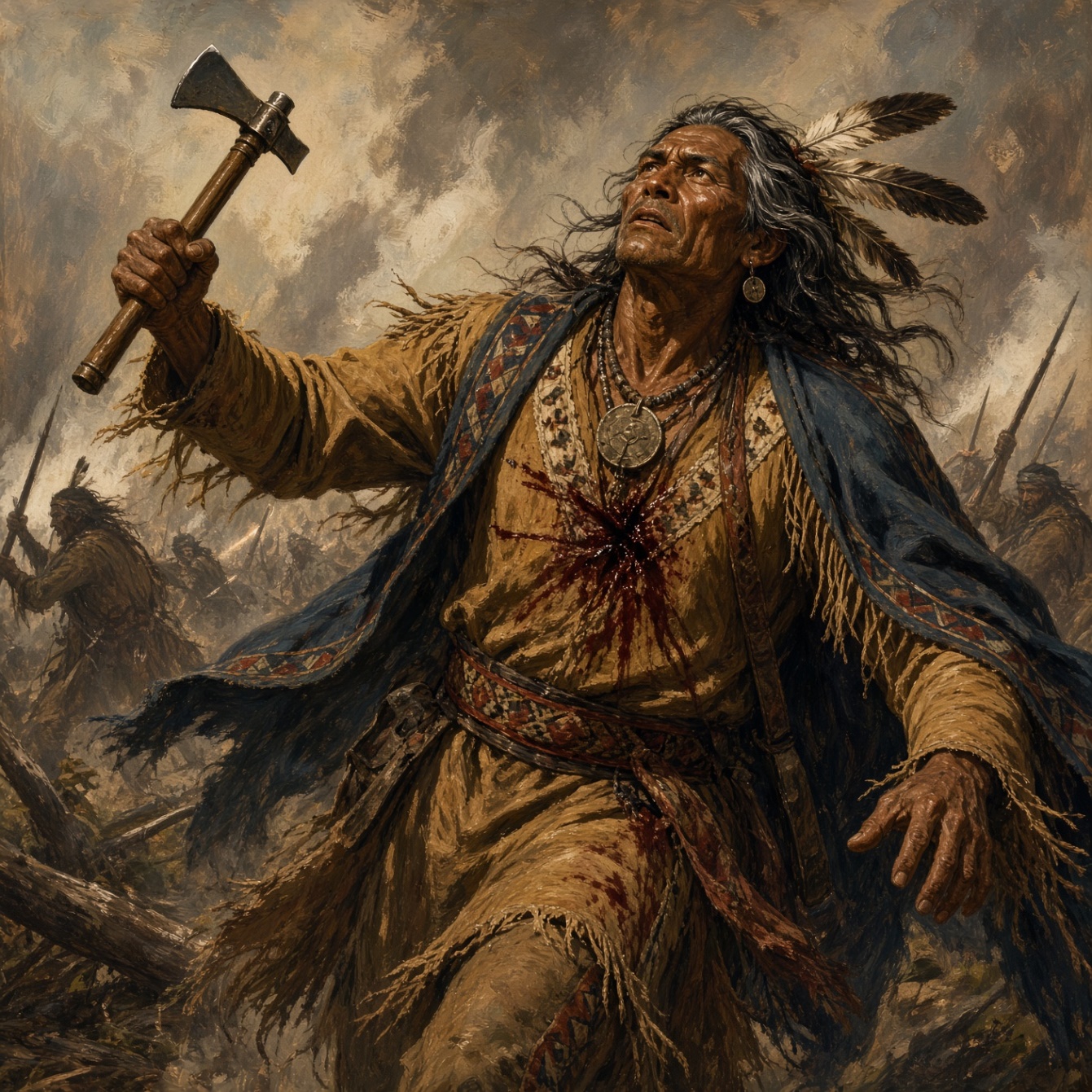
MadisonThe President, fretting over the war. The map is dated 1812.Washington BurnsThe city burned by the British, as seen by Bainbridge and Scull from the hills.Tecumseh FallsTecumseh dies in a clearing, 1813. Remington caught all the motion, and was no doubt relieved not to have to paint an eastern forest.
Steamboats and New Orleans
A steamboat in a hurry, an earthquake, and the road to the last battle.
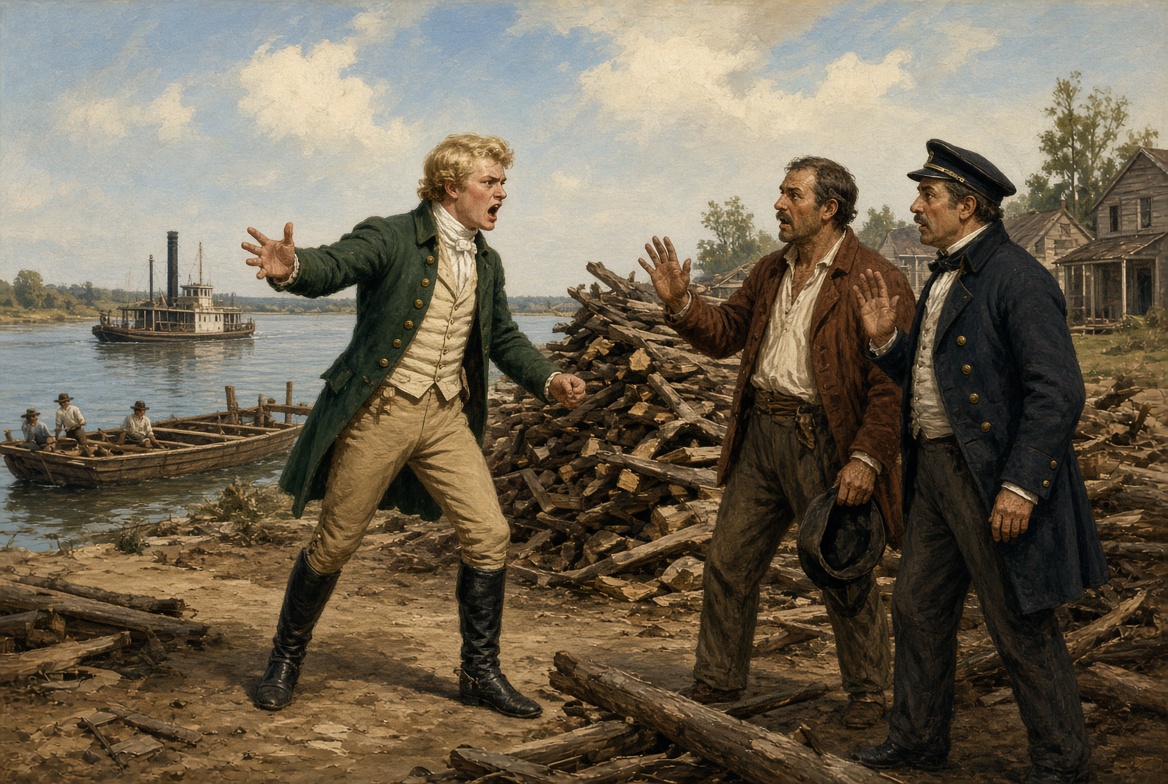
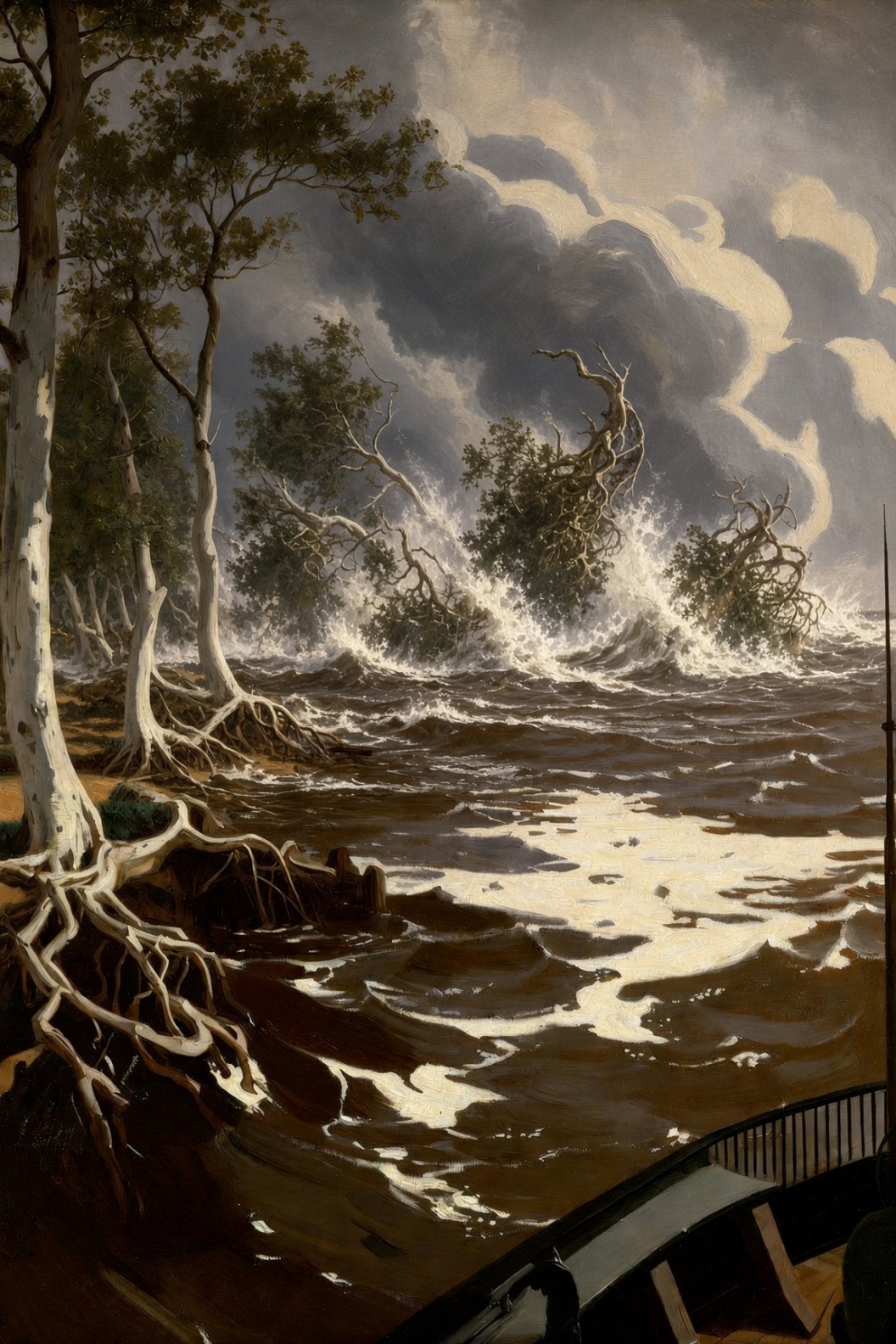
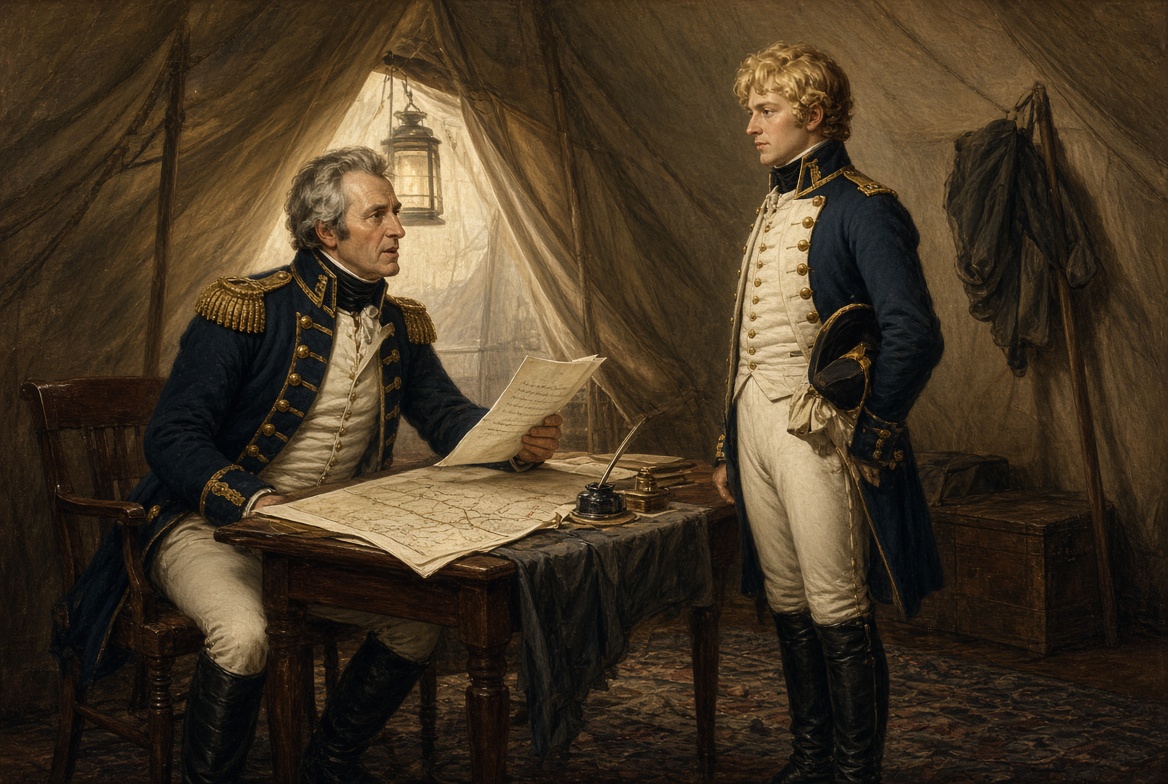
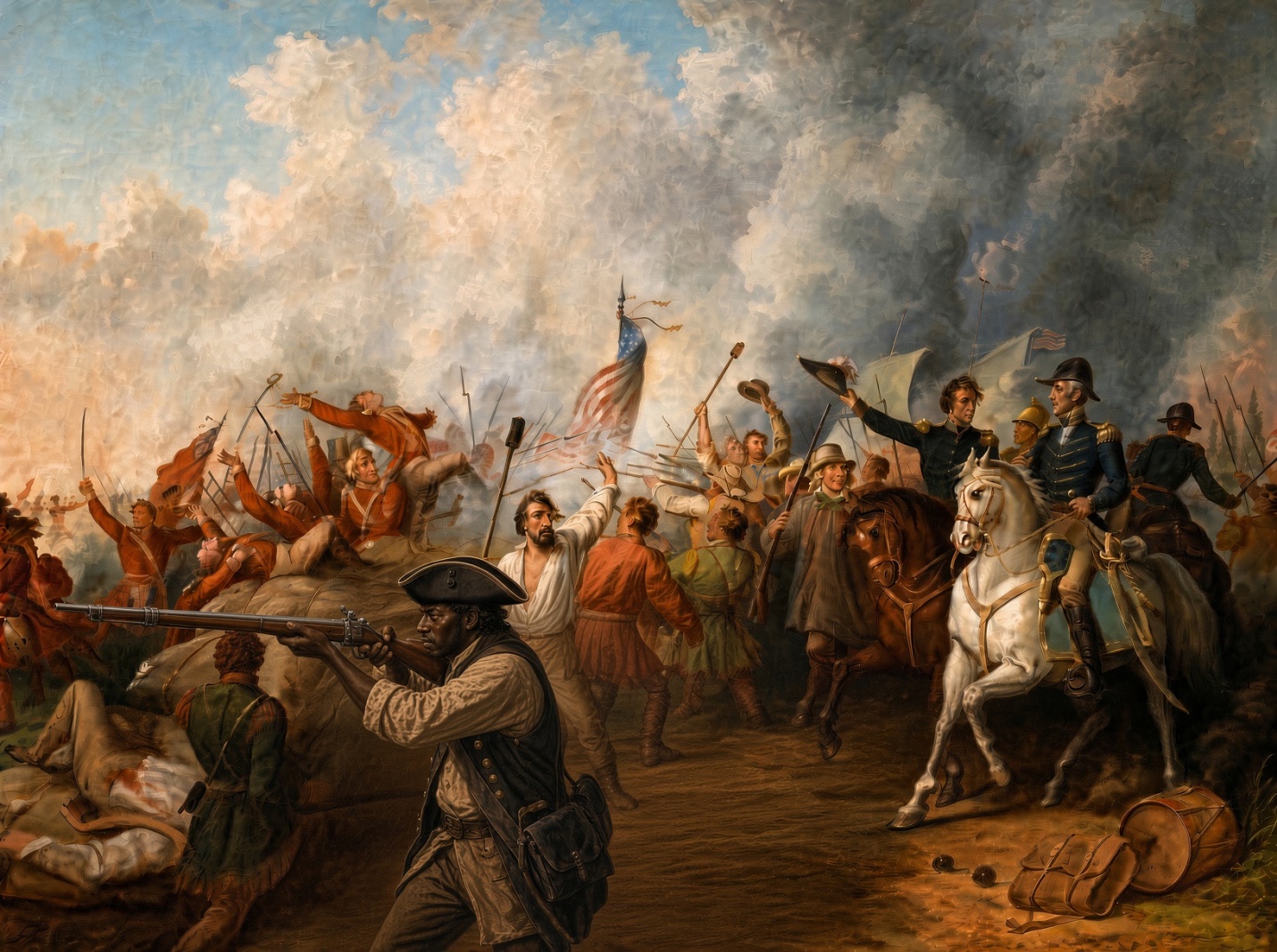
Scull Loses His PatienceYoung Scull blows up at the steamboat captain and the firewood merchant: “Stop haggling and get the damn wood on board. We have to get to New Orleans on time.”The New Madrid EarthquakeThe first shock, December 1811, as seen from a steamboat.Captain Scull ReportsVery young Captain Scull reports to General Andrew Jackson.The Battle of New OrleansOne of Captain Leger’s voltigeurs, a Black militiaman, takes aim in the foreground. The Voss family insisted that the contribution of the Black militia, free men of color, not be erased. Two battalions of the city’s gens de couleur libres stood in Jackson’s line that day.