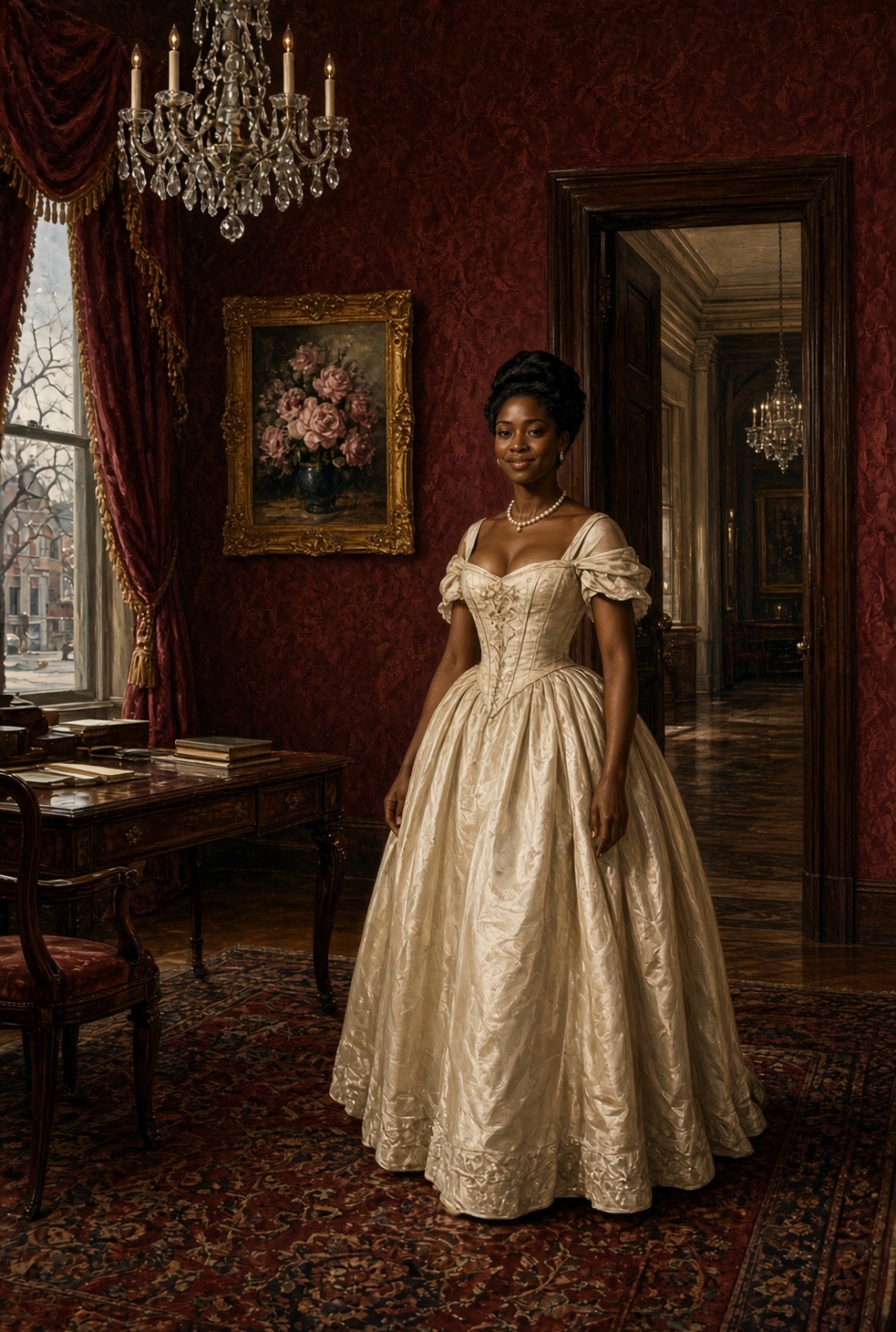
Club Marseilles
Opened in 1793 by Madame Élise Tebieux, the same year she freed herself and twenty-two others. By daylight it is, by some margin, the finest gentleman's establishment in New Orleans. By other hours it is considerably more than that: a resettlement network run out of a ledger book, billed on paper as services de réinstallation to anyone who asks.
Madame Tebieux keeps a jar on her desk: one river stone for every person she has helped to freedom. Officers on shore leave know it as somewhere to drink and be looked after without questions; a smaller number know what the jar actually counts.
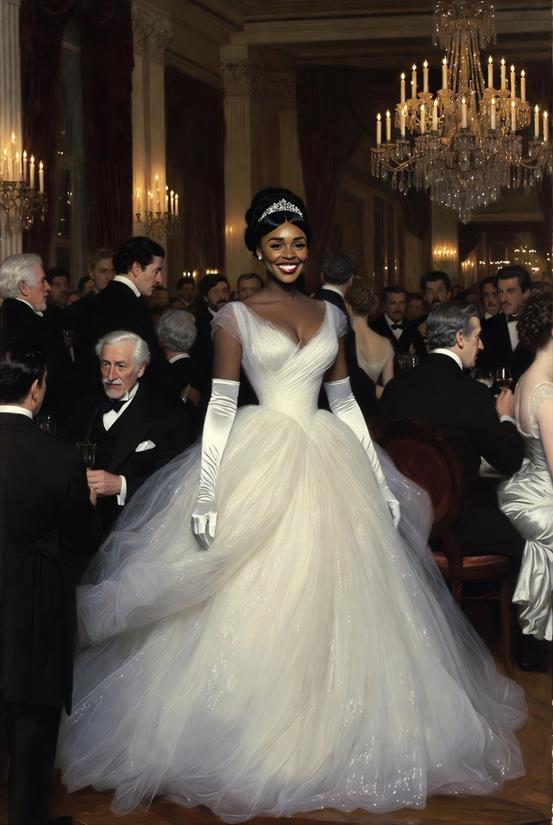
Madame Tebieux hosts a society reception for former Vice President Aaron Burr. By now she is known the length of the Mississippi as “The Queen of New Orleans.” James Tissot.
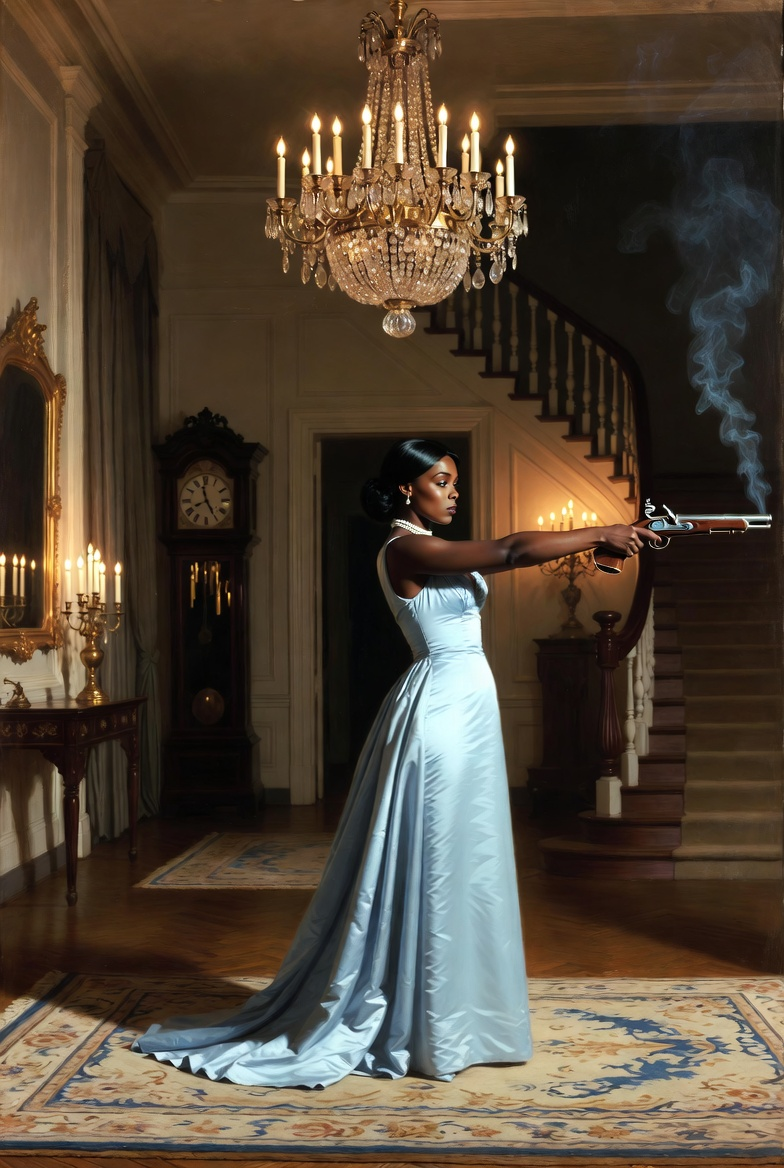
Madame Tebieux in the foyer. Not all visitors are welcome, and she let this one know in no uncertain terms. James Tissot, 1883. Not his usual commission, but by his own account, his best likeness of a woman who has just shot a man and still looks elegant doing it.
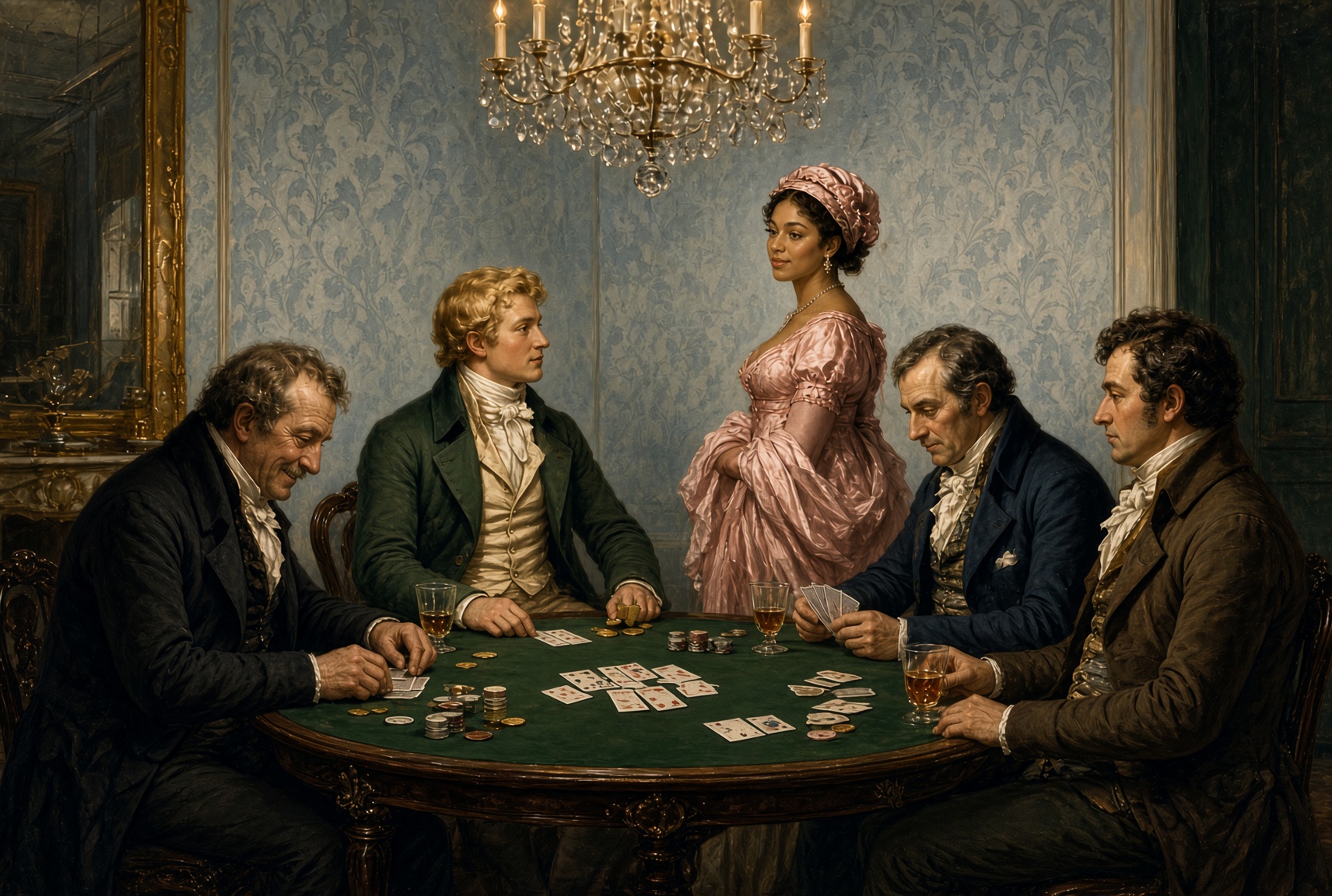
The card room, a quieter night than most
Voss recovered from a gunshot wound on the second floor here. Ox and Reilly have both, on separate occasions, stayed considerably longer than one night.
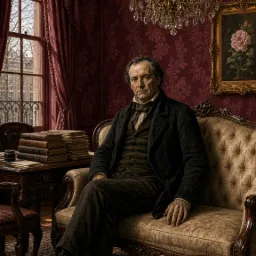
A guest in the parlor, waiting on Madame Tebieux
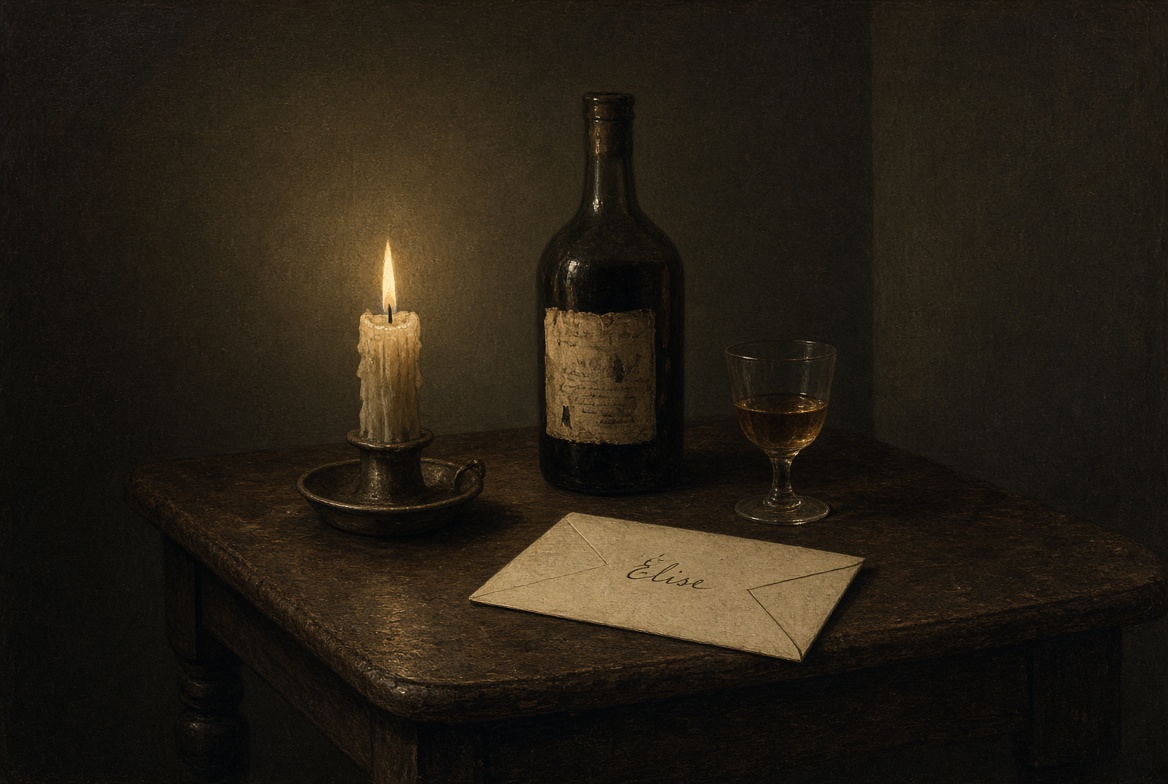
At Club Marseilles, a gratuity is left in an envelope addressed to Élise. François Bonvin, 1853. He must have thought it an odd double commission; the Raupenhelm keeps a different custom. It now hangs in the gentlemen’s lavatory at Voss Court.
Not every regular is a boarder. One caller is an agent of the United States, and no part of what he does for his government would be possible without what Madame Tebieux already knows, which is, by the family's account, a long story, and one neither of them has told the same way twice.